
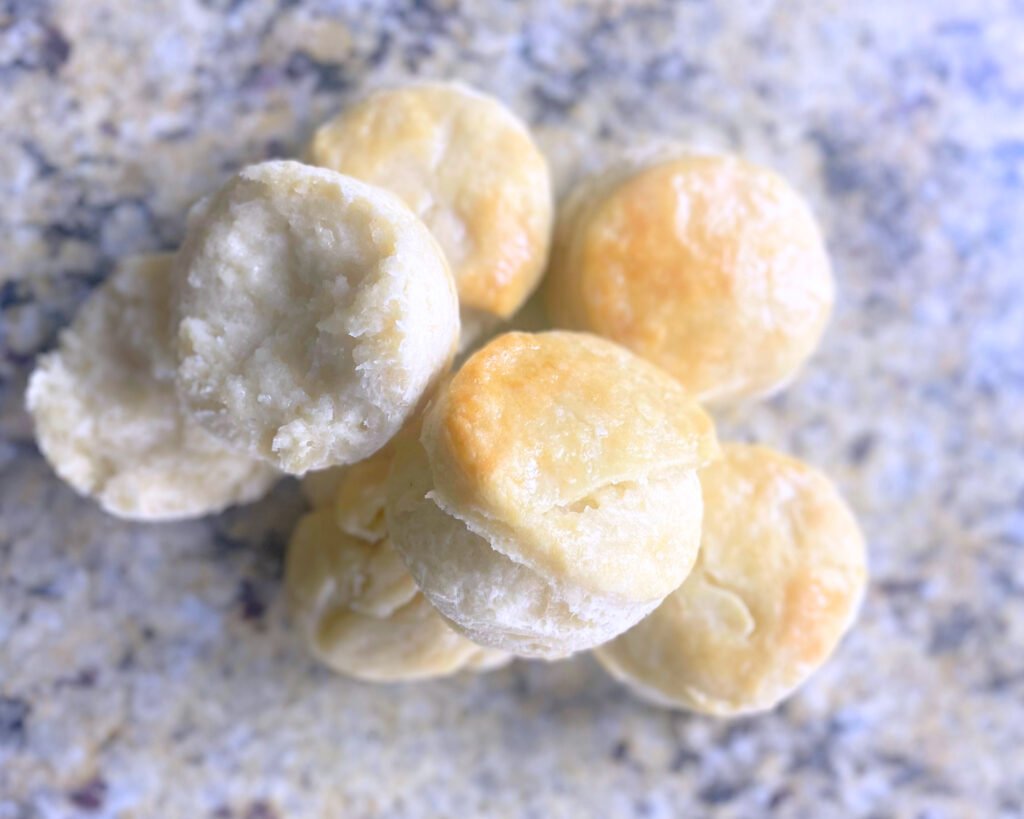
Homemade biscuits have always been a staple in my kitchen and one of my family’s favorite recipes. No matter how many times I make them, people simply cannot seem to get enough of these buttery, flaky biscuits. In fact, I almost always keep a batch in the freezer because they disappear so quickly. Whether served with breakfast, alongside dinner, or enjoyed with a little butter and honey, these homemade biscuits are always a crowd-pleaser.
One of the things I love most about this recipe is that it delivers consistently delicious results without requiring complicated ingredients or techniques. Over the years, I’ve learned that great biscuits come down to a few simple details—using cold butter, handling the dough gently, and allowing the oven to do the work. Those small steps make all the difference when it comes to creating biscuits that are tall, flaky, and tender on the inside.
These homemade biscuits have become my go-to recipe for everything from weekend breakfasts to holiday gatherings. They’re quick enough for busy mornings but special enough to serve when family and friends are gathered around the table. If you enjoy classic homemade baking recipes, you may also love my gingerbread and vanilla bundt cake recipes.
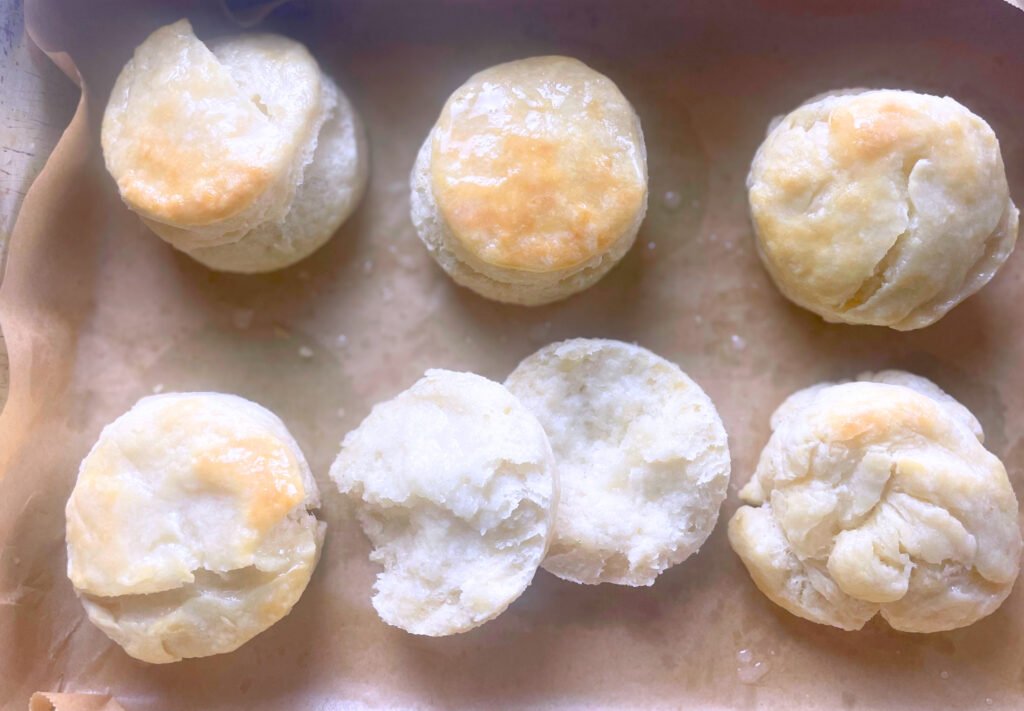
The texture is what truly makes these biscuits stand out. As the cold butter melts during baking, it creates pockets of steam that form beautiful flaky layers throughout each biscuit. The result is a soft, buttery interior with a lightly crisp golden top that practically begs to be pulled apart while still warm.
Another reason this recipe remains a favorite is its versatility. These homemade biscuits pair perfectly with savory dishes like eggs, sausage gravy, soups, and fried chicken, while also tasting wonderful with jam, honey, or fruit preserves. Their simple flavor makes them a welcome addition to almost any meal.
If you’ve ever felt intimidated by making biscuits from scratch, don’t worry. This recipe focuses on straightforward techniques that consistently produce bakery-style results. With a few basic ingredients and a little attention to detail, you’ll be rewarded with homemade biscuits that are fluffy, flaky, buttery, and sure to become a family favorite.
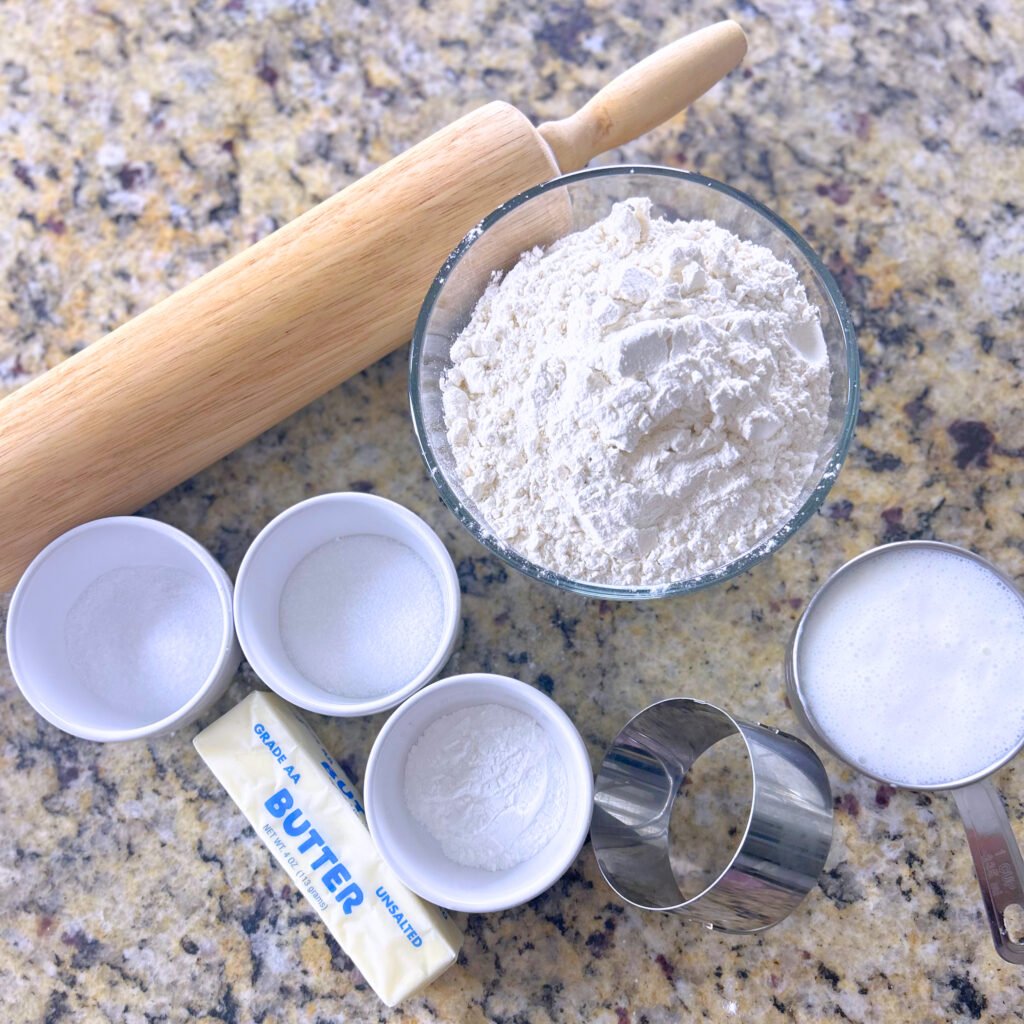
Notes on Ingredients for Homemade Biscuits
Understanding the role of each ingredient helps create homemade biscuits with the perfect rise, tenderness, and buttery flavor.
- All-Purpose Flour
- Provides structure while keeping the biscuits soft and tender.
- Baking Powder
- Helps the biscuits rise tall and creates a fluffy interior.
- Baking Soda
- Works with acidic ingredients like buttermilk to improve lift and texture.
- Salt
- Enhances the flavor of the butter and balances the richness.
- Unsalted Butter
- Cold butter creates flaky layers and gives the biscuits their classic buttery flavor.
- Buttermilk
- Adds moisture and tenderness while contributing slight tanginess that enhances flavor.
- Honey or Sugar (Optional)
- A small amount of sweetness can balance savory flavors and improve browning.
How to Make Homemade Biscuits
Prepare the Biscuit Dough
Start by whisking together the dry ingredients in a large bowl. Mixing them evenly first helps ensure the biscuits rise consistently during baking.
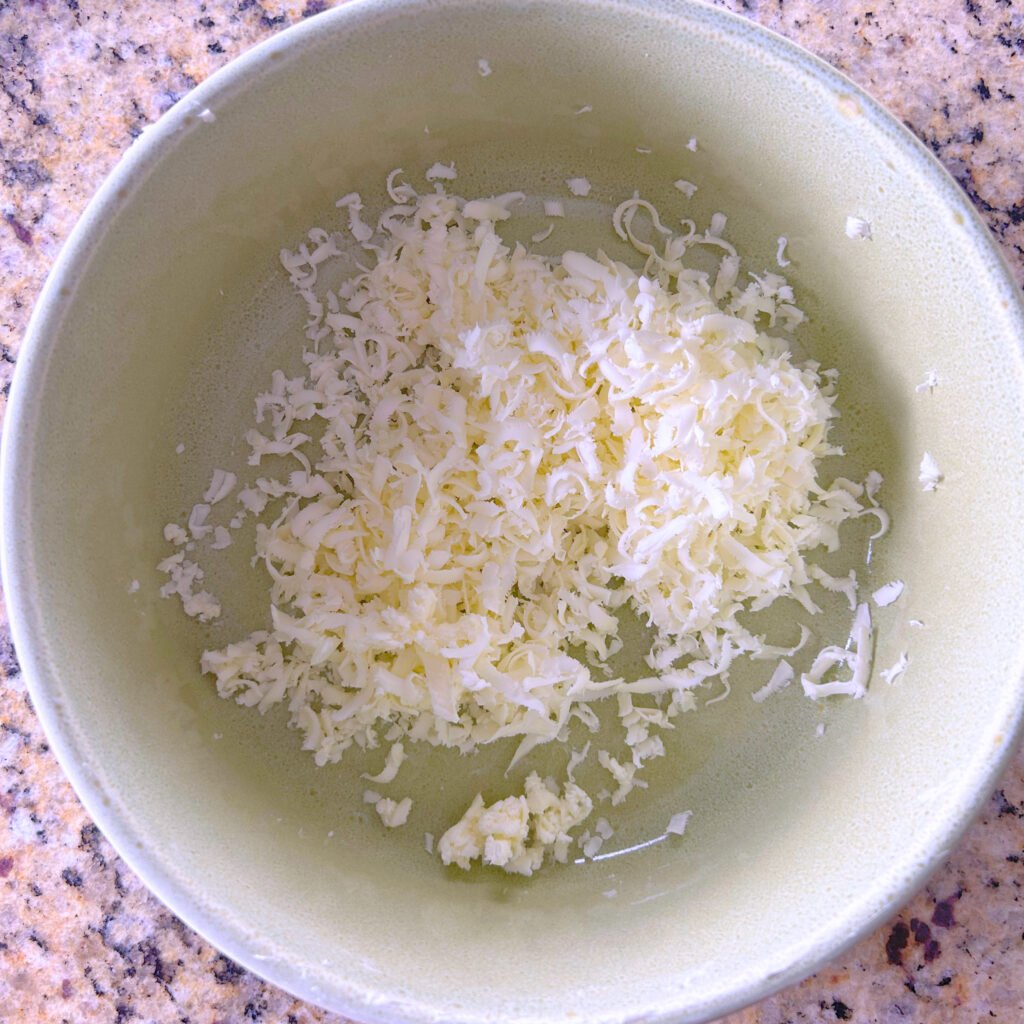
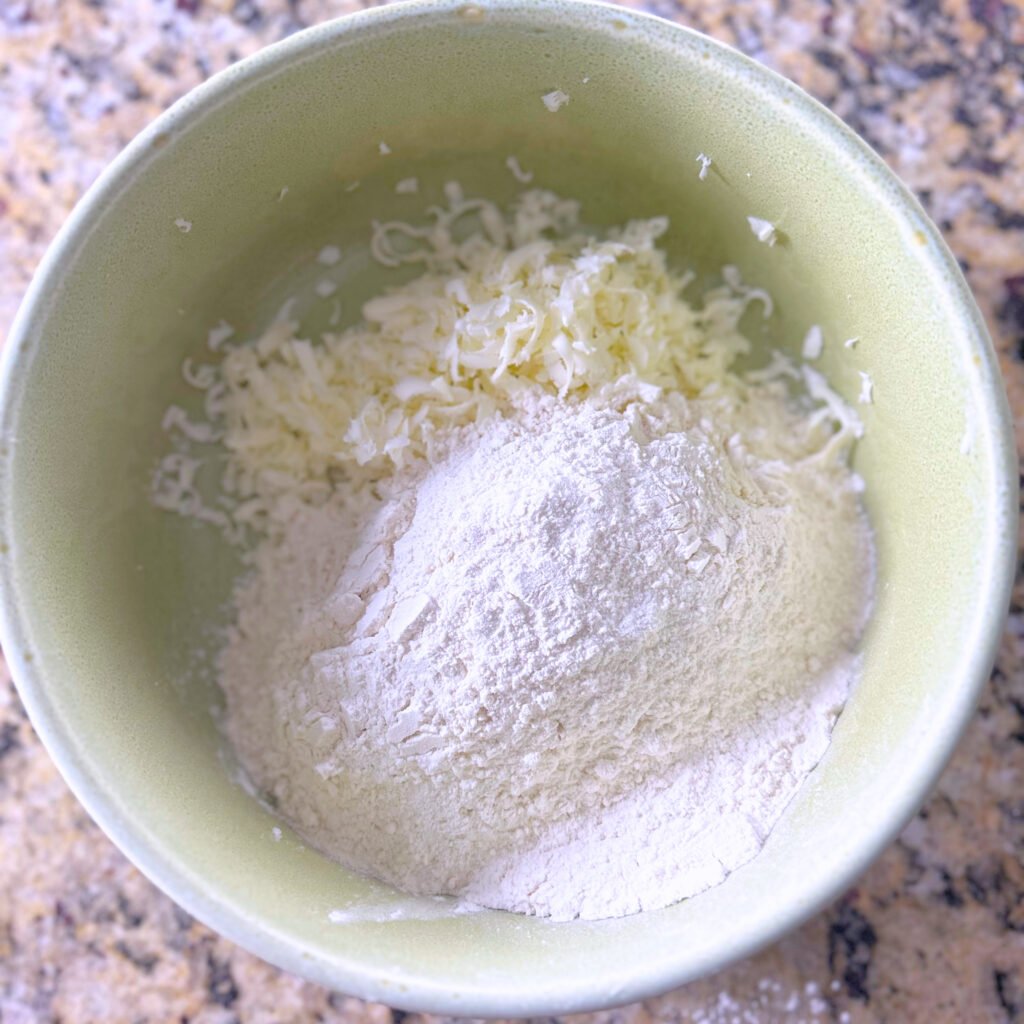
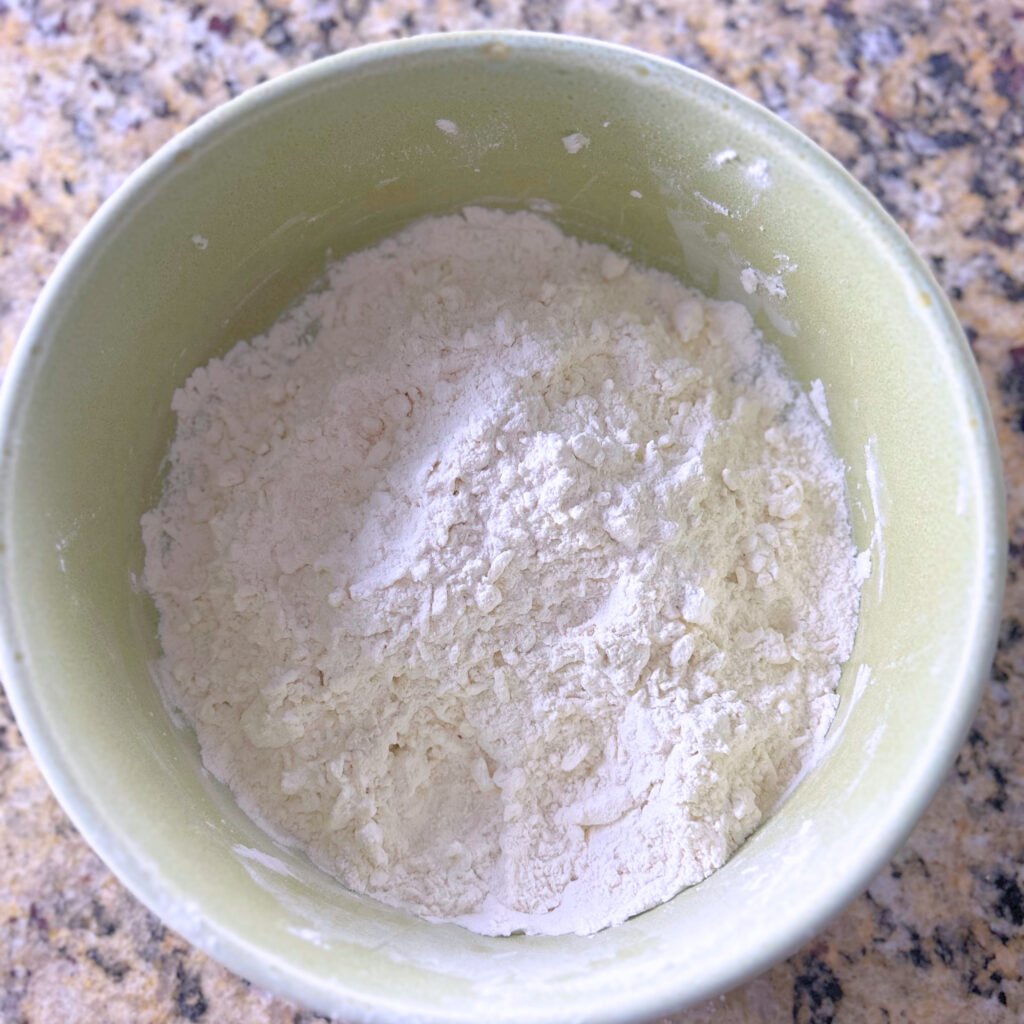
Next, cut the cold butter into the flour mixture until small pea-sized pieces remain throughout the dough. These pieces of butter are what create the flaky texture associated with classic homemade biscuits.
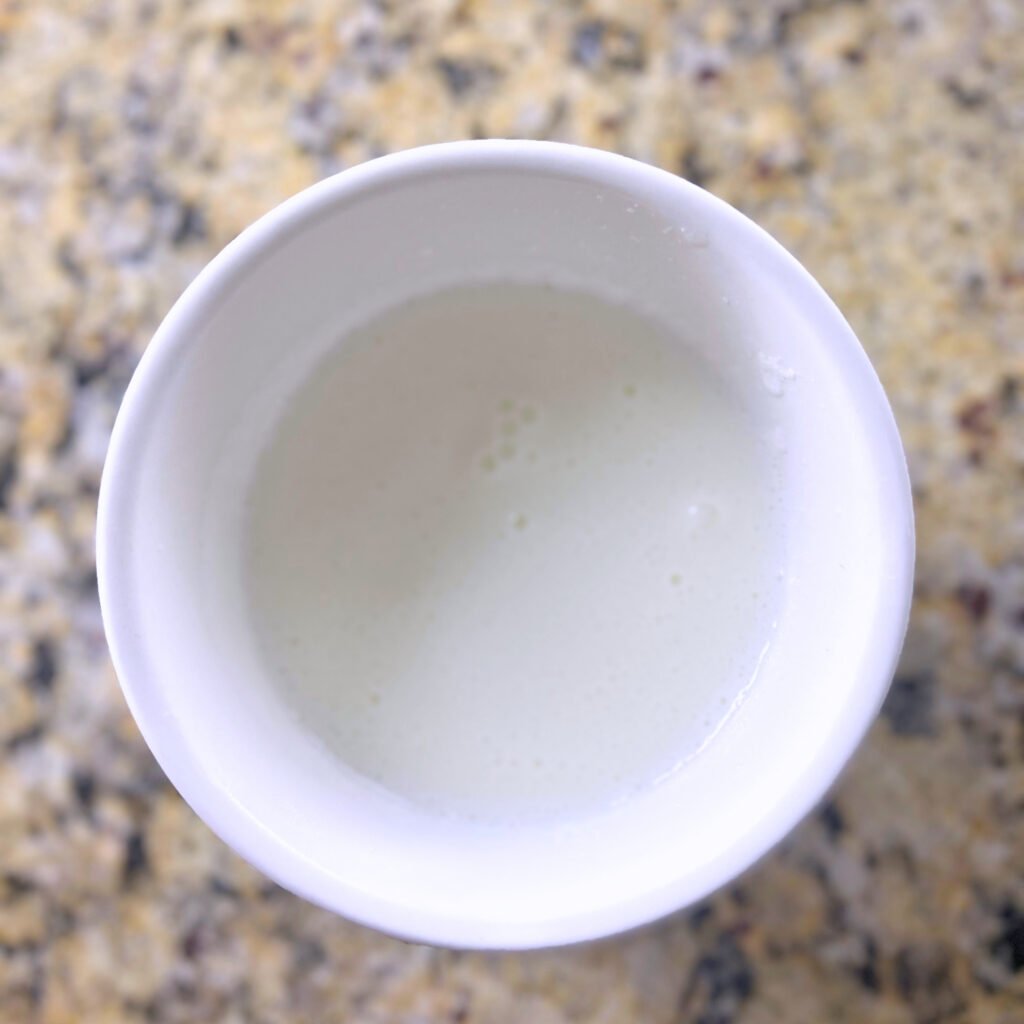
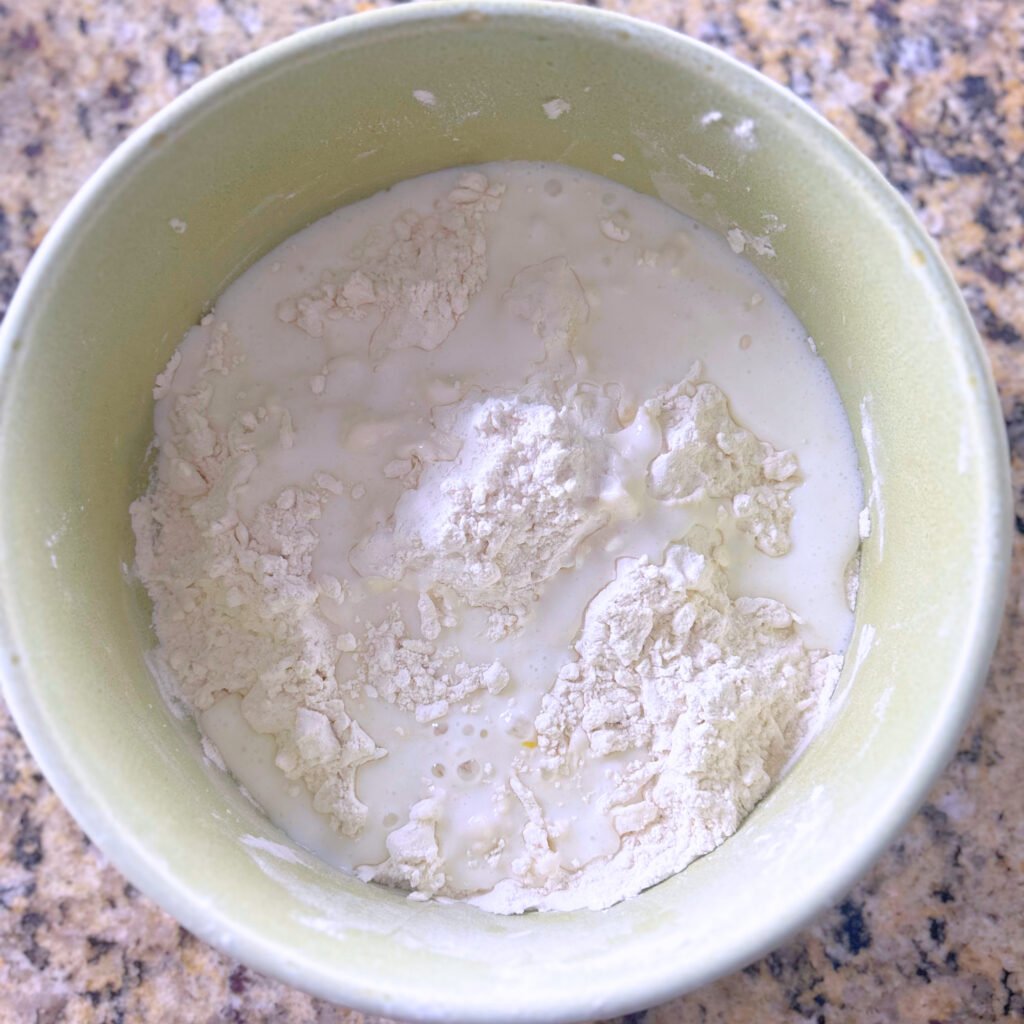
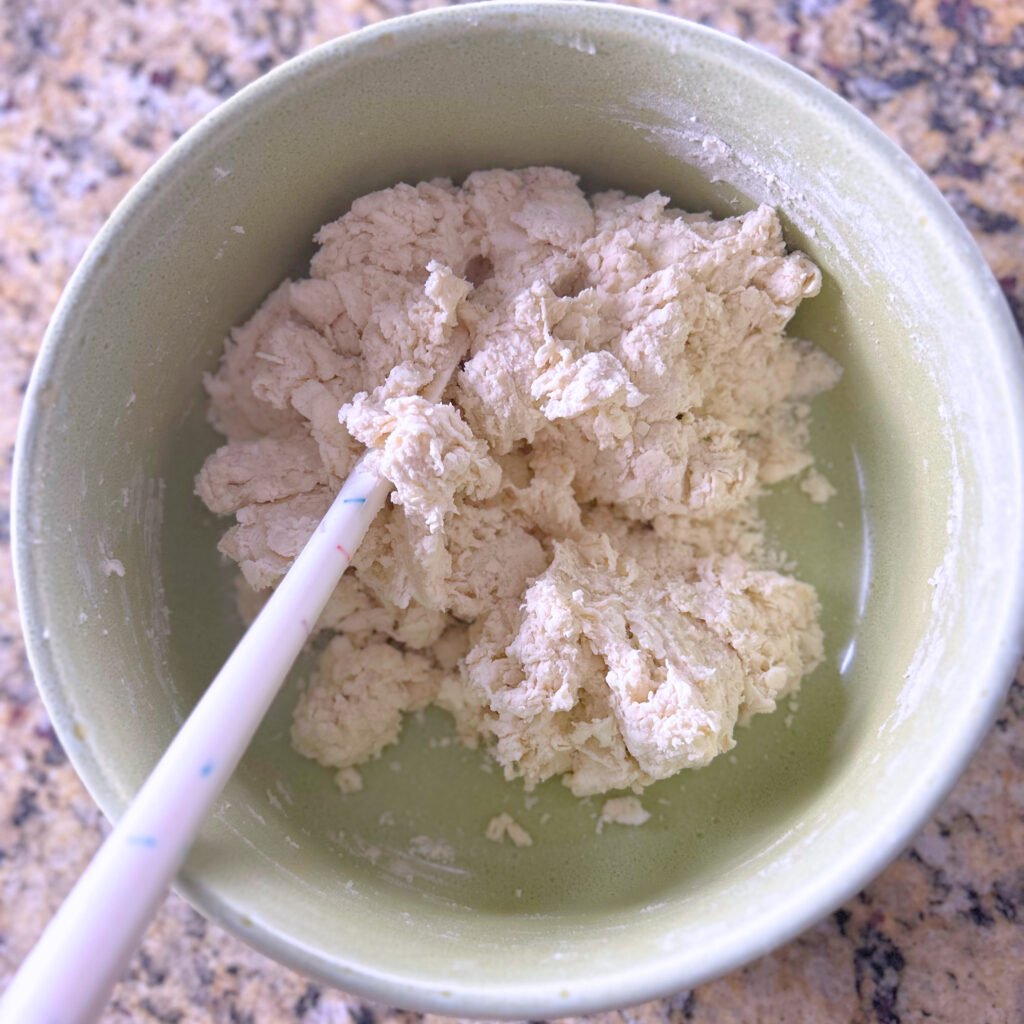
Slowly pour in the buttermilk and stir gently until the dough just comes together. Avoid overmixing, as this can create tough or dense biscuits rather than soft, tender layers.
Fold and Shape the Dough
Turn the dough onto a lightly floured surface and gently pat it into a rectangle. Fold the dough over itself several times to help create layers.
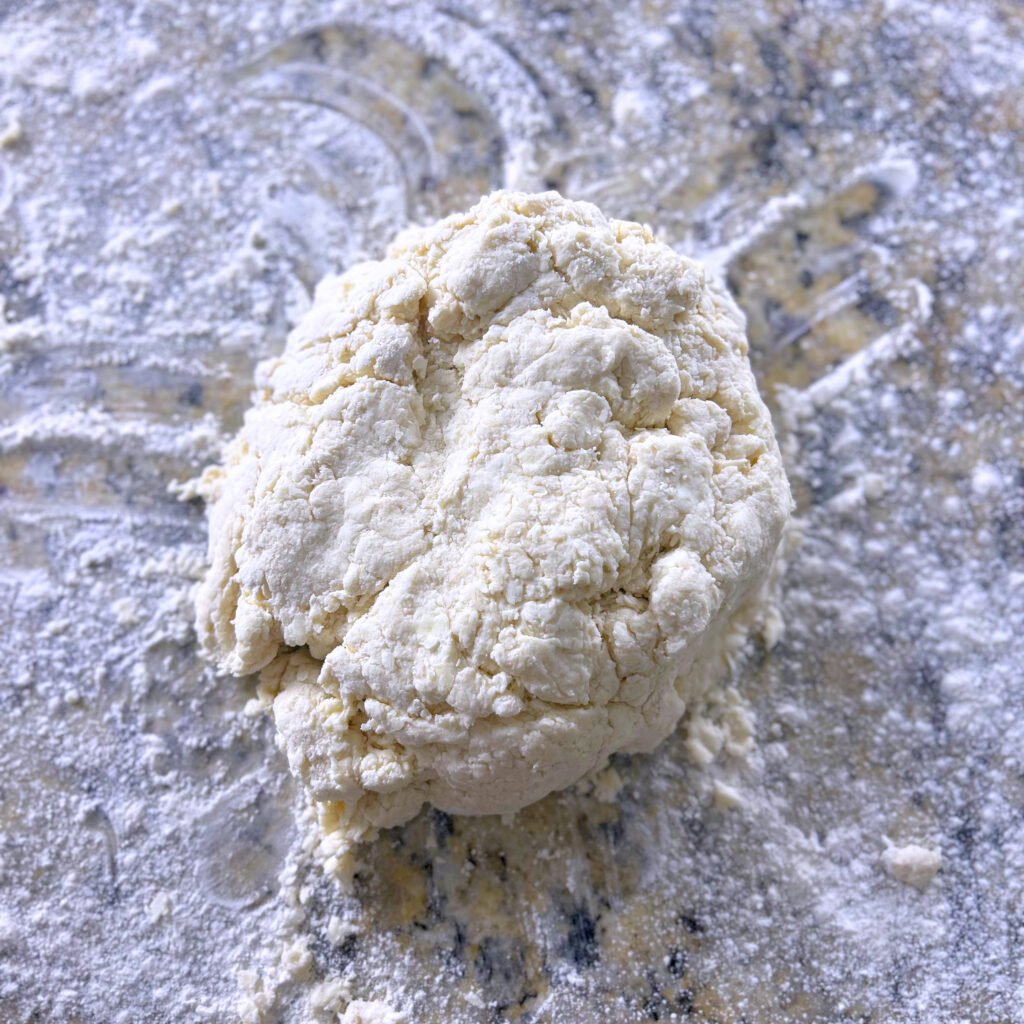
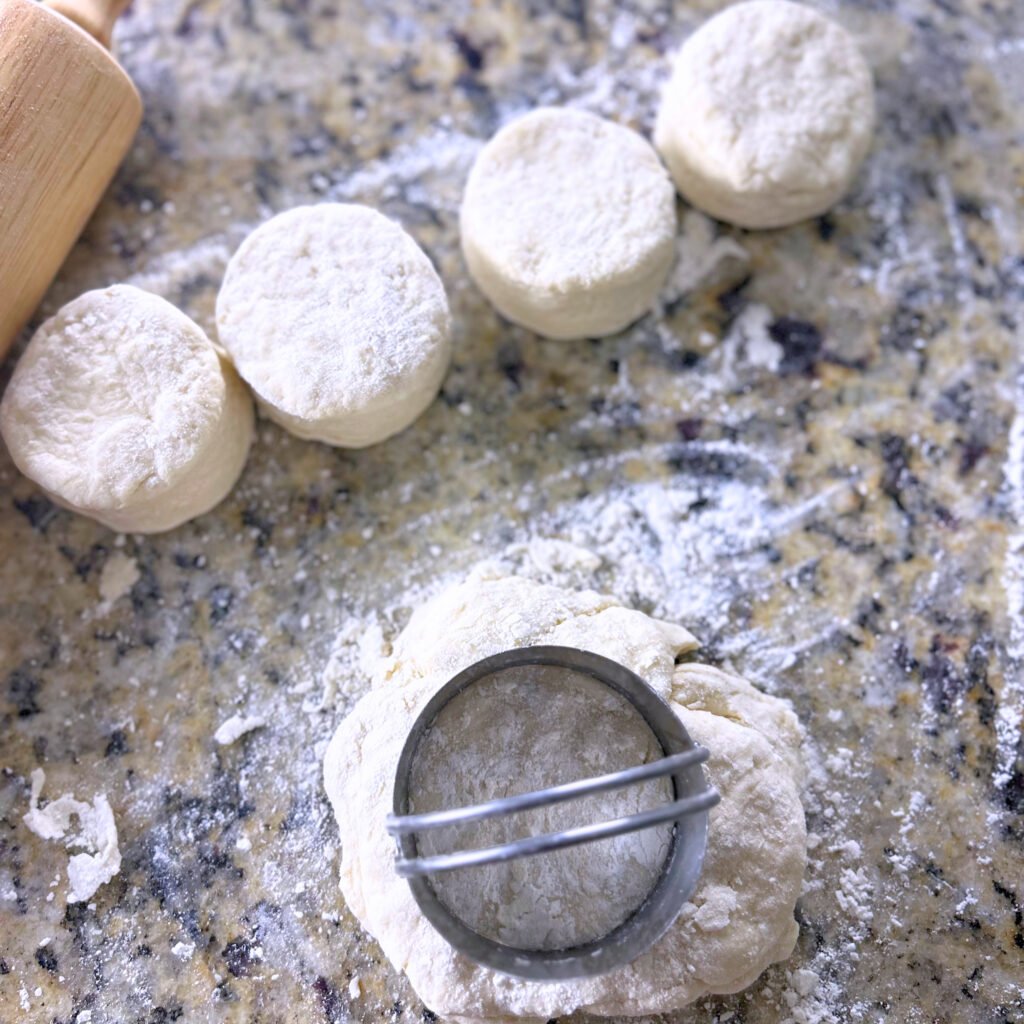
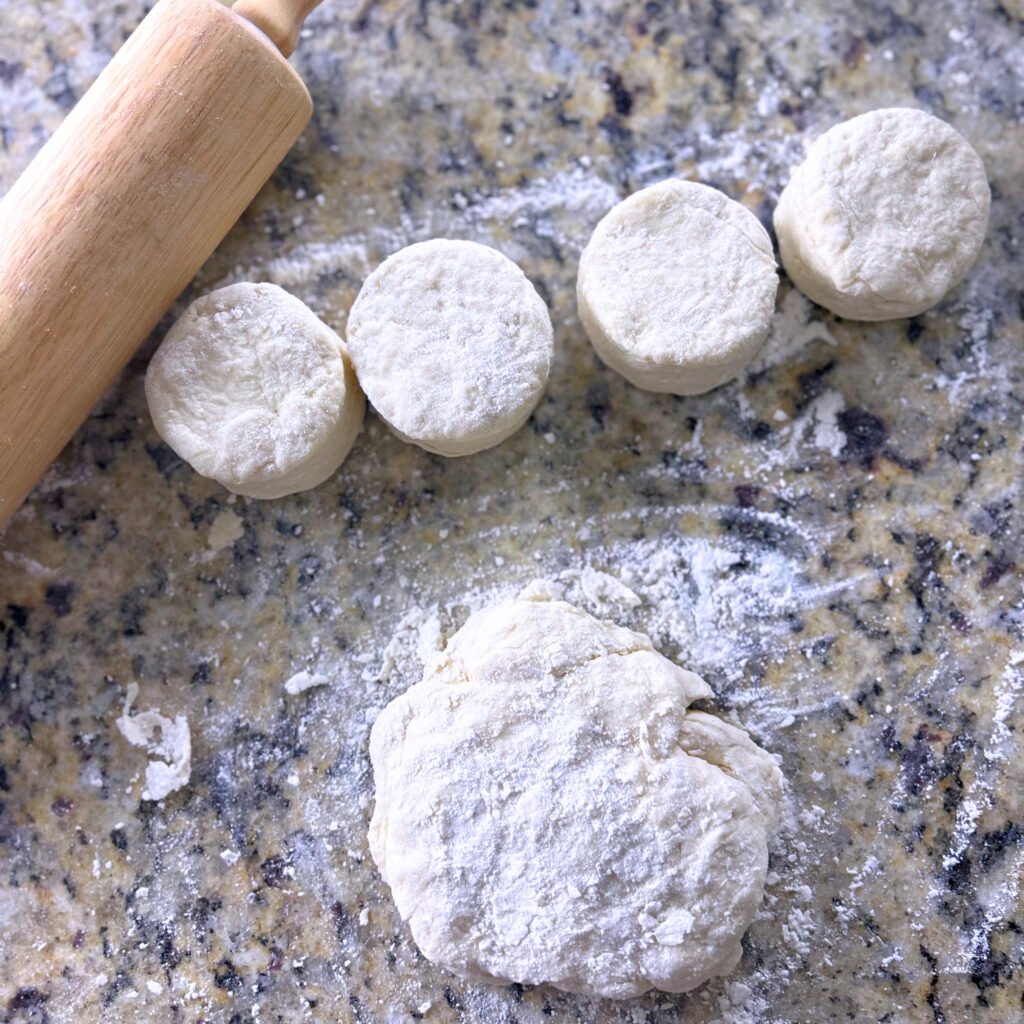
This folding process is one of the keys to achieving tall, flaky homemade biscuits with bakery-style texture.
Pat the dough to the desired thickness and cut out biscuits using a biscuit cutter or round glass. Press straight down rather than twisting to help the biscuits rise evenly.
Bake the Homemade Biscuits
Place the biscuits close together on a baking sheet or cast iron skillet. Keeping them slightly touching encourages upward rise and softer sides.
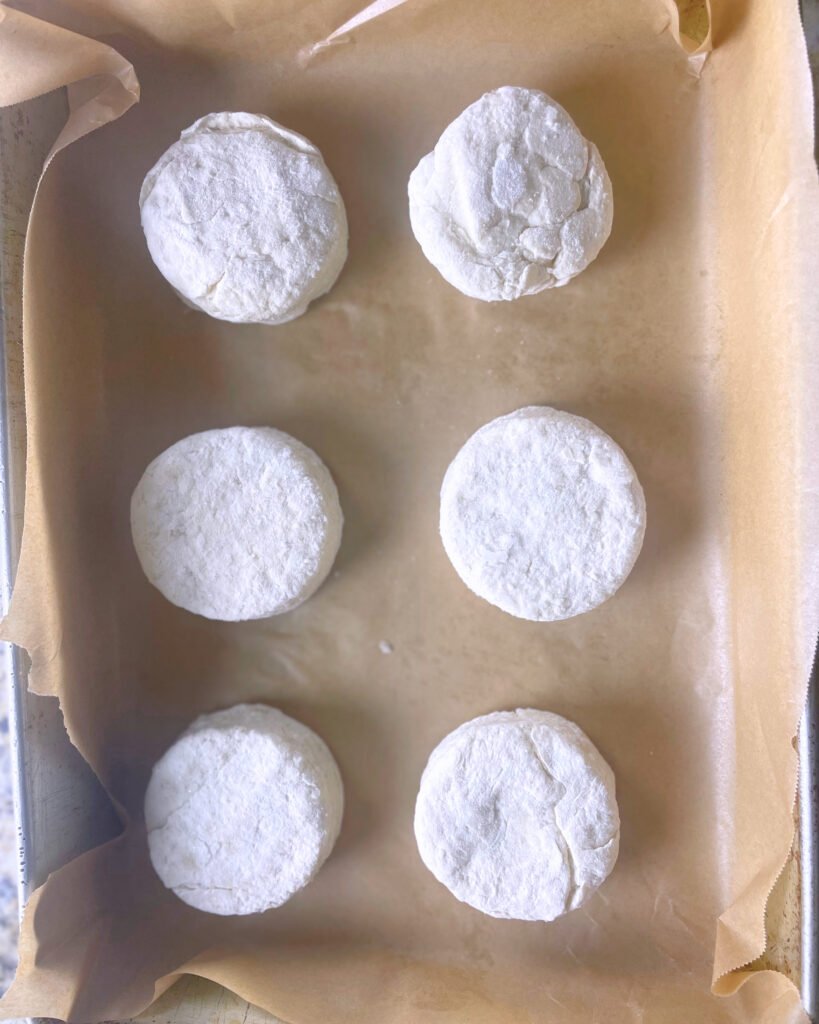
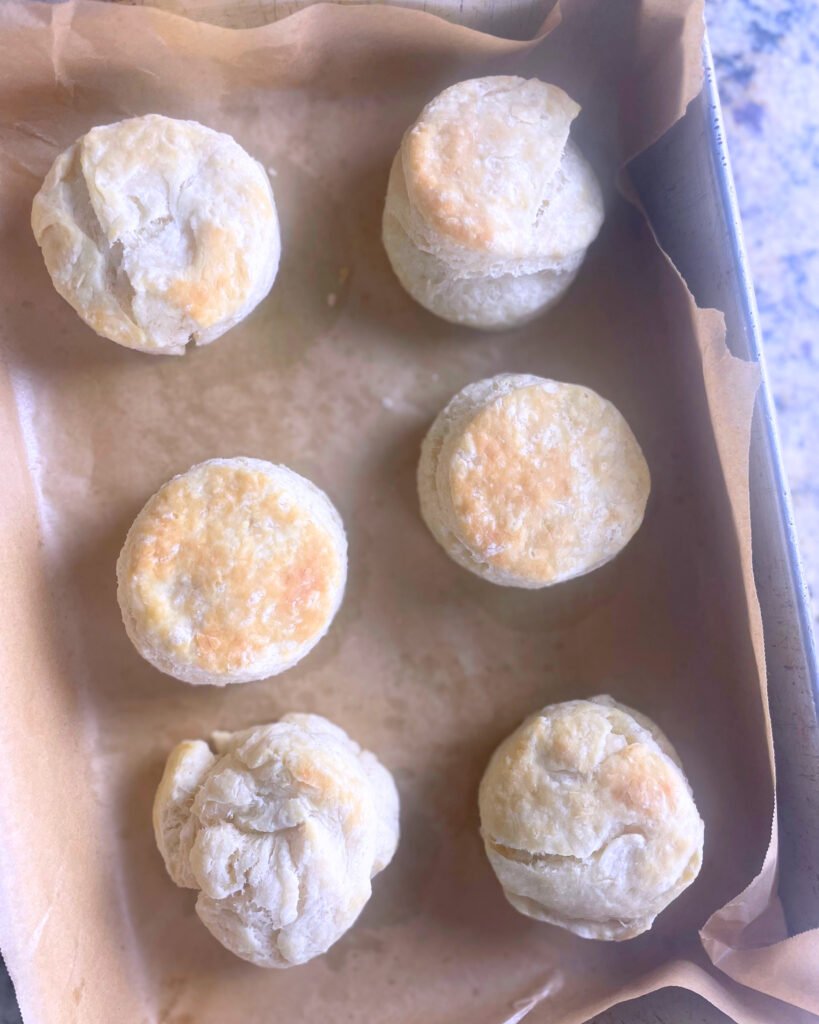
Bake until the tops become lightly golden and the layers appear fully risen. The biscuits should feel light and tender while maintaining structure.
Once baked, brush the tops with melted butter for additional flavor and softness.
Substitutions for Homemade Biscuits
These homemade biscuits are easy to customize depending on dietary needs or ingredient availability.
Dairy-Free Options
Plant-based butter can replace traditional butter for a dairy-free version. Use a firm baking variety to help maintain flaky layers.
Dairy-free milk mixed with a small amount of vinegar or lemon juice can substitute for buttermilk.
Flour Variations
A portion of the all-purpose flour can be replaced with whole wheat flour for a heartier texture and slightly nutty flavor.
Sweet Variations
Brush warm biscuits with honey butter or sprinkle lightly with cinnamon sugar for a sweeter breakfast-style biscuit.
Savory Variations
Shredded cheddar cheese, herbs, cracked black pepper, or cooked bacon can be folded into the dough for savory homemade biscuits.
Tips for the Best Homemade Biscuits
Keep the Butter Cold
Cold butter is essential for creating flaky layers. If the butter softens too much before baking, the biscuits may spread rather than rise.
Avoid Overworking the Dough
Gentle handling keeps the biscuits tender. Overmixing develops gluten, which can create a dense texture. These biscuits are soft and fluffy, making them perfect alongside sweet treats like my pecan tarts.
Use Fresh Leavening Agents
Fresh baking powder and baking soda help ensure the biscuits rise properly and bake evenly.
Do Not Twist the Biscuit Cutter
Press the cutter straight down and lift directly upward. Twisting can seal the edges and limit rise.
Bake at High Heat
A hot oven helps the butter create steam quickly, which encourages tall, fluffy homemade biscuits.
Variations for Homemade Biscuits
These homemade biscuits can easily be adapted for different meals and occasions.
For breakfast sandwiches, slice the biscuits and fill them with eggs, cheese, and sausage or bacon.
For dessert, use the biscuits as a base for strawberry shortcake topped with whipped cream and fresh berries.
Herb-infused biscuits pair beautifully with soups and stews, while garlic butter brushed on top creates a richer savory flavor.
Because the recipe is simple and dependable, it serves as an excellent foundation for experimenting with different flavors and add-ins.
Frequently Asked Questions
Why are my homemade biscuits not fluffy?
The most common reason biscuits don’t rise properly is warm butter or overworked dough. Keeping the butter cold and handling the dough as little as possible helps create flaky layers and a lighter texture.
Can I make homemade biscuits ahead of time?
Yes. You can prepare the dough, cut the biscuits, and refrigerate them for several hours before baking. You can also freeze unbaked biscuits for longer storage.
What is the best butter to use for homemade biscuits?
Unsalted butter is typically preferred because it allows you to control the amount of salt in the recipe. Most importantly, the butter should be very cold.
Can I freeze homemade biscuits?
Absolutely. Baked biscuits can be frozen for up to 3 months in an airtight container. Reheat them in the oven to restore their texture.
Why is my biscuit dough sticky?
Biscuit dough should be slightly sticky but manageable. If it feels overly wet, add a small amount of flour, one tablespoon at a time, until the dough is easier to handle.
How do I get flaky layers in homemade biscuits?
Cold butter is key. As the butter melts during baking, it creates steam that forms the flaky layers. Folding the dough a few times before cutting the biscuits can also help create additional layers.
Can I use milk instead of buttermilk?
Yes, although buttermilk provides a richer flavor and softer texture. If needed, you can make a buttermilk substitute by adding 1 tablespoon of lemon juice or vinegar to 1 cup of milk and letting it sit for 5 minutes.
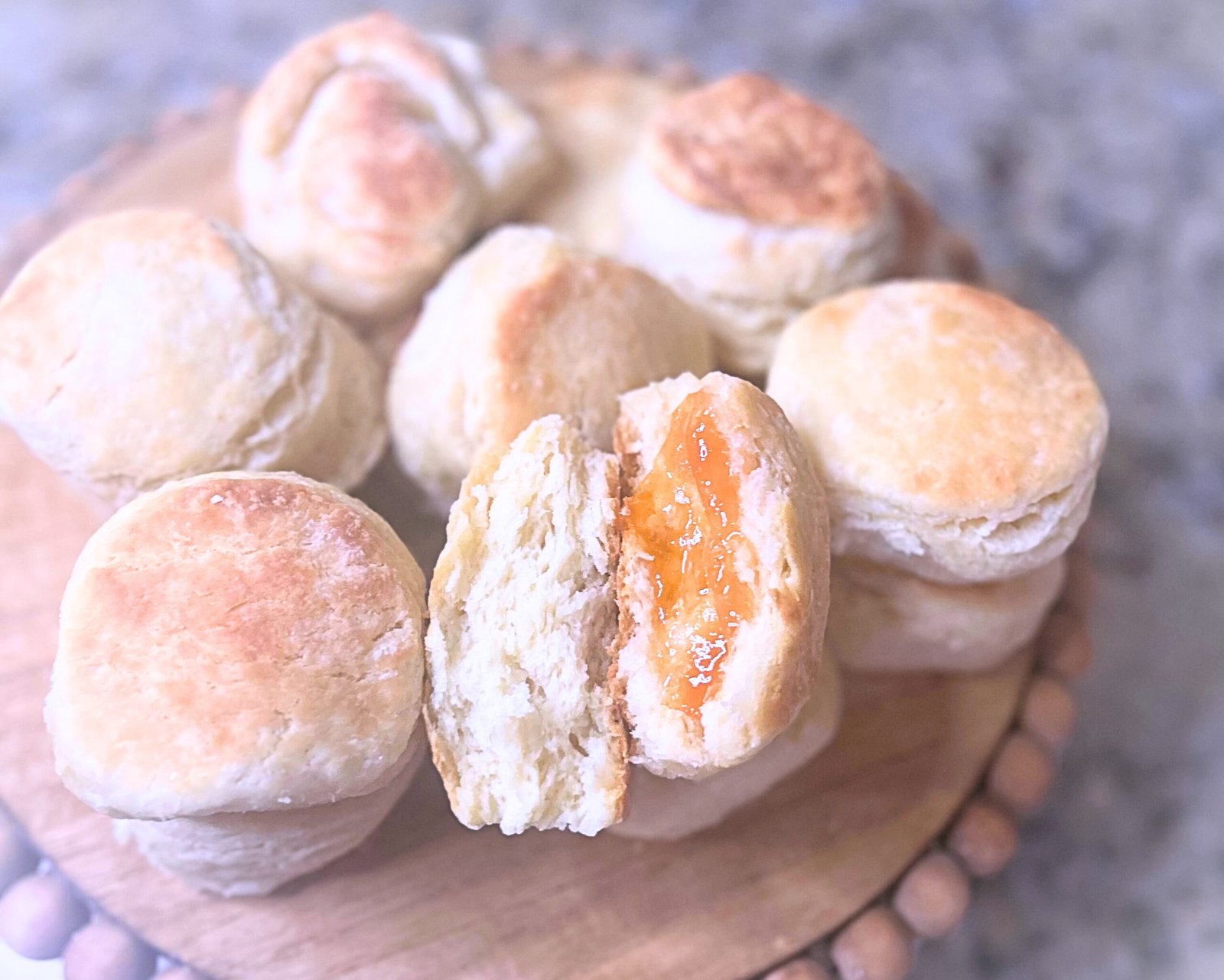
Homemade Biscuits (Soft, Fluffy and Buttery)
Ingredients
Equipment
Method
- Make the Biscuit Dough
- Preheat your oven to 425°F (220°C). Line a baking sheet with parchment paper.
- In a large bowl, whisk together the flour, baking powder, sugar, and salt until evenly combined.
- Using a box grater, grate the frozen butter directly into the dry ingredients (this creates extra fluffy layers).
- Use a fork or pastry cutter to gently mix the butter into the flour until it looks like coarse crumbs.
- Pour in the cold milk and stir until a soft dough forms—do not overmix.
- Turn the dough out onto a lightly floured surface.
- Gently pat and fold the dough over itself 3–4 times (this creates flaky layers).
- Pat the dough into a 1-inch thick rectangle and use a biscuit cutter or glass to cut out biscuits.
- Place biscuits on the baking sheet, close together for softer sides or spaced apart for crispier edges.
- Bake
- Bake for 12–15 minutes, or until the tops are golden brown.
- Brush warm biscuits with melted butter (optional but delicious).
- Serve hot with butter, honey, jam, or your favorite breakfast sides.
Notes
- Cold ingredients are essential: Keep your butter frozen and your milk very cold until ready to use. Cold butter creates steam as the biscuits bake, which helps form flaky layers.
- Avoid overmixing: Mix the dough just until it comes together. Overworking the dough can compress the layers and lead to tough biscuits instead of a soft, tender texture.
- Fold for layers: Gently folding the dough 3 to 4 times helps build bakery-style layers without deflating the dough.
- Mind the thickness: For tall, fluffy biscuits, roll or pat the dough to about 1 inch thick before cutting.
- Storage: Store leftover biscuits in an airtight container at room temperature for up to 2 days, or refrigerate for up to 5 days.
- Freezing: Unbaked biscuits can be frozen for up to 3 months. Bake directly from frozen, adding 2 to 3 minutes to the baking time.
How to Store Homemade Biscuits
Store leftover homemade biscuits in an airtight container at room temperature for up to 2 days.
For longer storage, refrigerate the biscuits for up to 5 days. Reheat gently in the oven or microwave before serving to restore softness.
These biscuits also freeze well. Wrap them tightly and freeze for up to 2 months. Thaw at room temperature and warm before serving.
To maintain the best texture, avoid storing warm biscuits before they have fully cooled.
Final Thoughts on Homemade Biscuits
These homemade biscuits are proof that simple ingredients and proper technique can create bakery-quality results right at home. Their flaky layers, buttery flavor, and soft interiors make them a dependable recipe for everything from quick breakfasts to comforting family dinners.
One of the best things about this easy biscuit recipe is how approachable it is. Even beginner bakers can achieve fluffy, tender biscuits by following a few key techniques, making this recipe one that’s easy to return to again and again.
Because these biscuits pair well with both sweet and savory meals, they remain one of the most versatile baked goods you can make. Whether served warm with butter and jam or alongside a hearty meal, homemade biscuits deliver comfort and consistency every time.
If you try this recipe, be sure to leave a comment and share your experience. Your feedback helps other bakers create successful batches of fluffy homemade biscuits and supports the continued sharing of reliable homemade baking recipes.
Happy baking! 🧈✨
🍰 You May Also Like
- Gingerbread
- Pecan Tarts
- Easy Frozen Yogurt Granola Cups

Hi, I’m Priscilla, a baking enthusiast and recipe creator sharing easy baking recipes, simple desserts, and beginner-friendly treats. At The Baking Enthusiast, I focus on creating reliable, step-by-step recipes using everyday ingredients to help you bake with confidence and enjoy the process.