
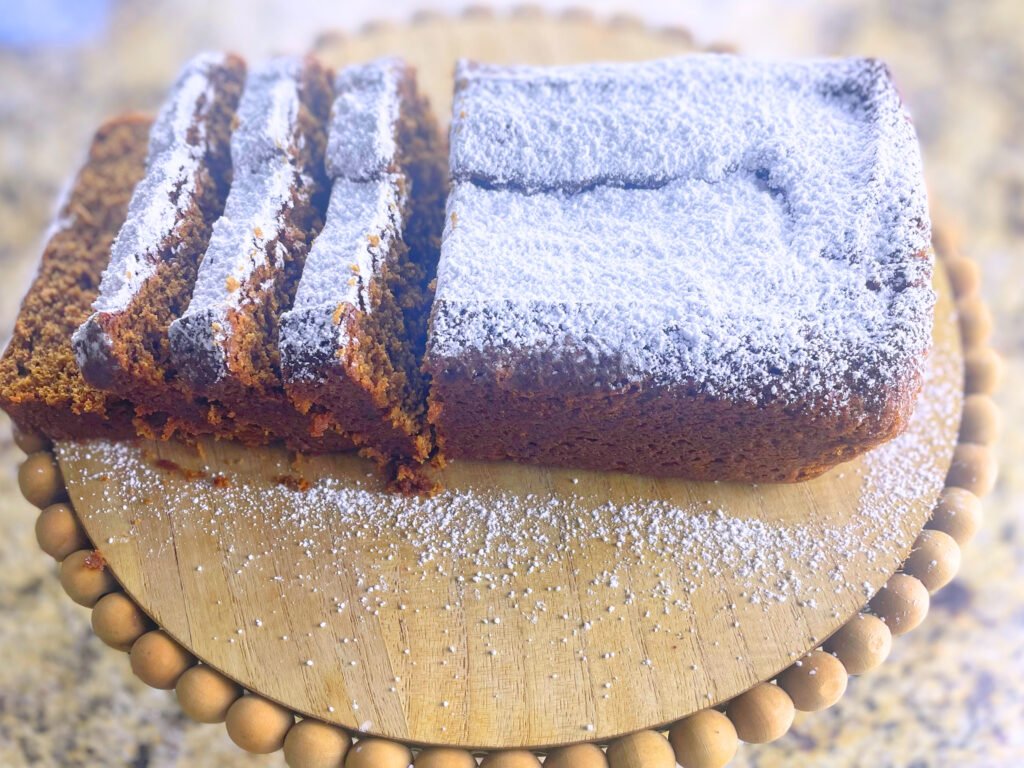
There’s something undeniably comforting about the aroma of gingerbread baking in the oven. Warm spices fill the kitchen, the air feels cozy, and suddenly everything slows down just a bit. This Moist Gingerbread Loaf is one of those recipes that instantly brings a sense of comfort and familiarity, making it perfect for cooler months, holiday gatherings, or quiet afternoons at home. If you love cozy homemade baking, you’ll also enjoy my pecan tarts and vanilla bundt cake for more classic dessert ideas.
At The Baking Enthusiast, baking is meant to feel joyful—not stressful. This gingerbread loaf is simple to prepare, uses pantry staples, and delivers rich flavor without complicated steps or fancy equipment. Whether you’re an experienced baker or just getting started, this recipe was created to help you feel confident in the kitchen.
Why Gingerbread Is a Timeless Favorite
Gingerbread has been loved for generations, and for good reason. Its signature blend of spices—ginger, cinnamon, nutmeg, and cloves—creates a deep, warming flavor that feels both nostalgic and indulgent. Traditionally enjoyed during the fall and winter months, gingerbread has become a year-round favorite for many home bakers.
Unlike cookies or cakes that can feel overly sweet, gingerbread strikes a perfect balance. The molasses adds depth, moisture, and richness, while the spices bring warmth without overpower
Notes on Ingredients for Gingerbread Loaf
Understanding the purpose of each ingredient helps create a gingerbread loaf that is moist, flavorful, and perfectly balanced with warm spices.
- All-Purpose Flour
- Provides structure and stability while keeping the loaf soft and tender.
- Brown Sugar
- Adds sweetness and subtle caramel notes that complement the molasses and spices.
- Baking Soda
- Helps the loaf rise properly while creating a softer texture.
- Ground Ginger
- The signature spice in gingerbread that gives the loaf its warm, classic flavor.
- Cinnamon
- Adds warmth and depth while balancing the stronger spice notes.
- Nutmeg
- Provides subtle earthy sweetness that enhances the spice blend.
- Cloves
- Adds bold warmth and richness to the gingerbread flavor profile.
- Salt
- Balances sweetness and enhances the flavor of the spices and molasses.
- Eggs
- Help bind the batter while adding structure and moisture.
- Vanilla Extract
- Rounds out the spice flavors and adds warmth to the loaf.
- Vegetable Oil
- Keeps the gingerbread soft and moist for several days.
- Unsalted Butter
- Adds richness and enhances the overall flavor of the loaf.
- Buttermilk
- Creates tenderness while adding slight tanginess that balances the sweetness.
- Molasses
- The key ingredient that gives gingerbread its deep color, rich flavor, and signature moisture.
- Hot Water
- Helps loosen the batter and intensifies the molasses flavor while creating a soft crumb.
How to Make Gingerbread Loaf Step by Step
One of the reasons this gingerbread loaf is so approachable is how simple the process is. You don’t need a stand mixer or advanced techniques—just a few bowls, a whisk, and a loaf pan. Taking the time to follow each step carefully ensures a loaf that bakes evenly, rises beautifully, and stays moist from the first slice to the last.
Start by preheating your oven to 350°F (175°C). This gives the oven enough time to reach the correct temperature so the gingerbread loaf bakes evenly from the moment it goes in. Line a 9×5-inch loaf pan with parchment paper or lightly grease it with butter or nonstick spray. Properly preparing the pan prevents sticking and makes removing the loaf effortless once it’s baked.
Mixing the Dry Ingredients
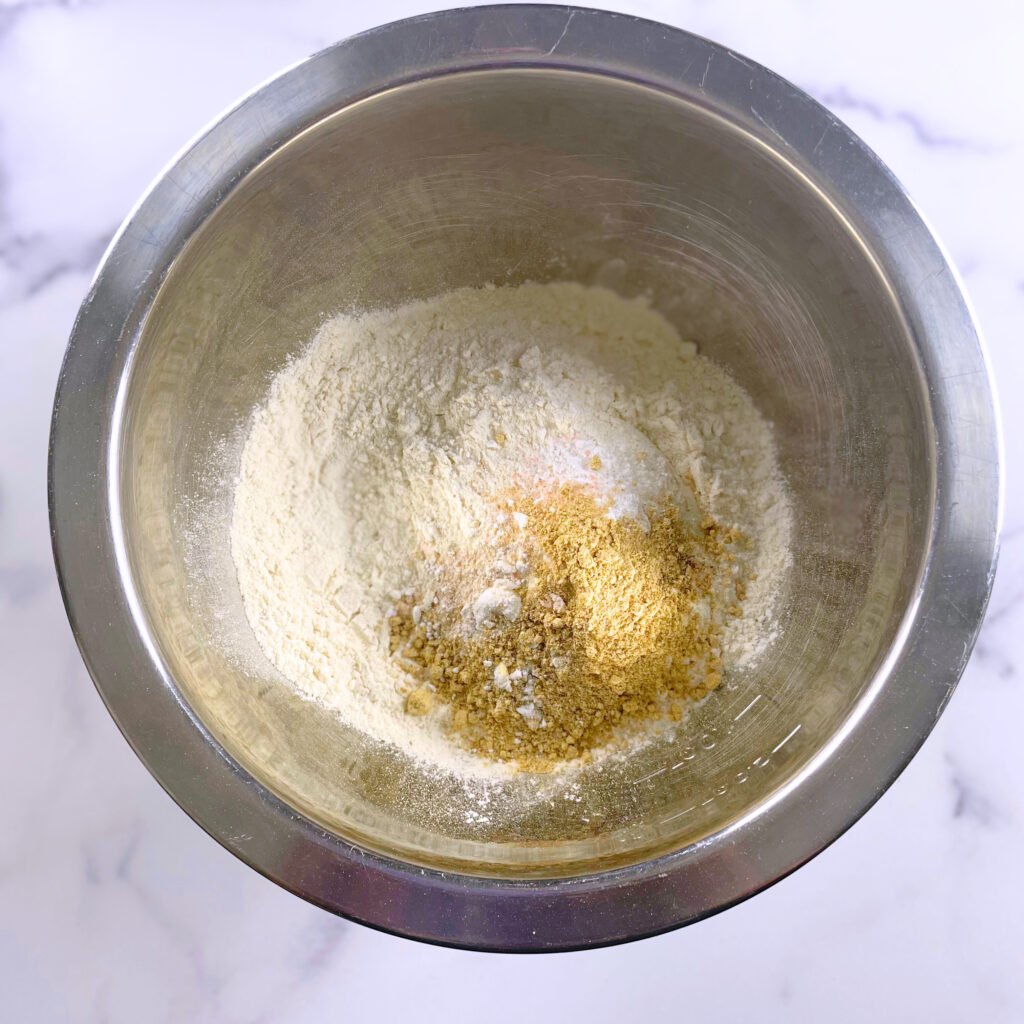
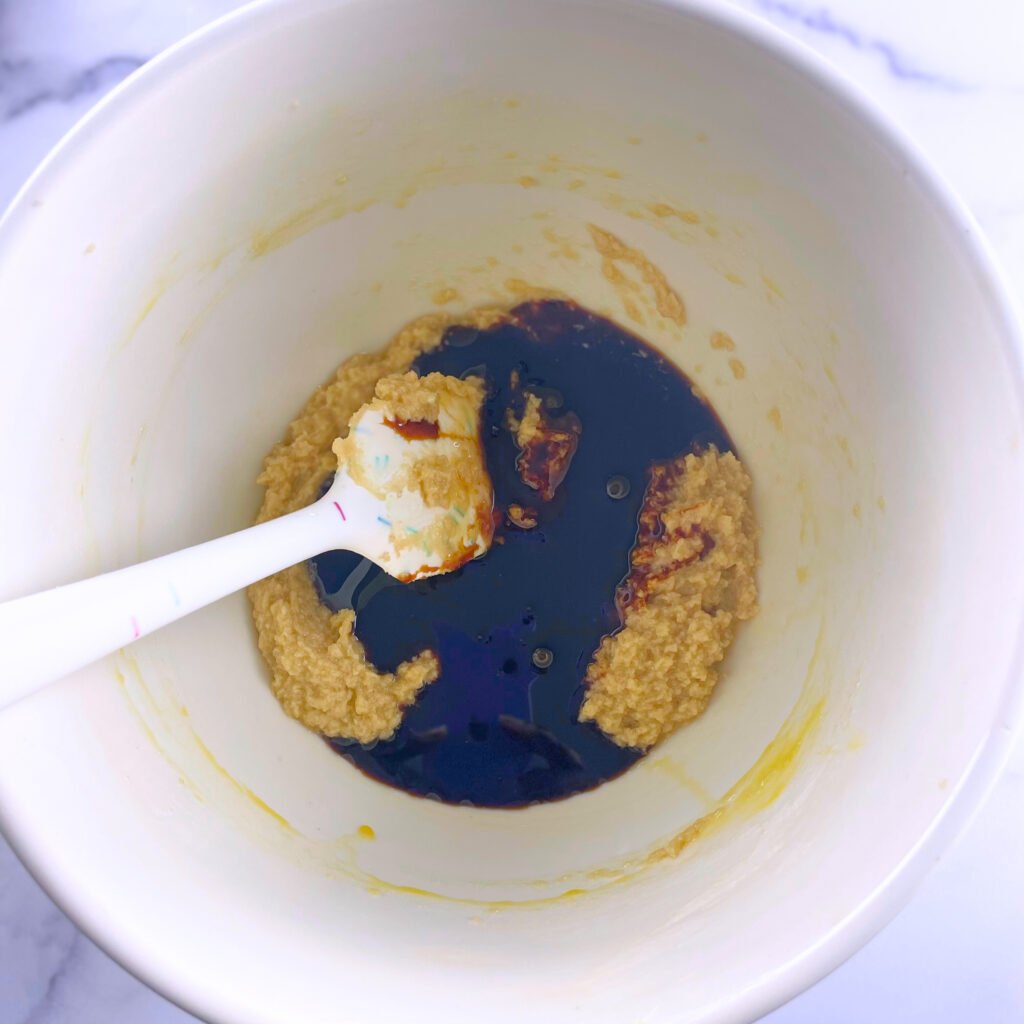
In a medium bowl, whisk together the all-purpose flour, baking soda, ground ginger, cinnamon, nutmeg, cloves, and salt. Whisking helps evenly distribute the spices and leavening agents throughout the flour, which is essential for consistent flavor and proper rise. Set the bowl aside while you prepare the wet ingredients.
This step may seem small, but it’s one of the keys to achieving a well-balanced gingerbread loaf. Even distribution of spices ensures every bite tastes warm and aromatic rather than uneven or overpowering.
Preparing the Wet Ingredients
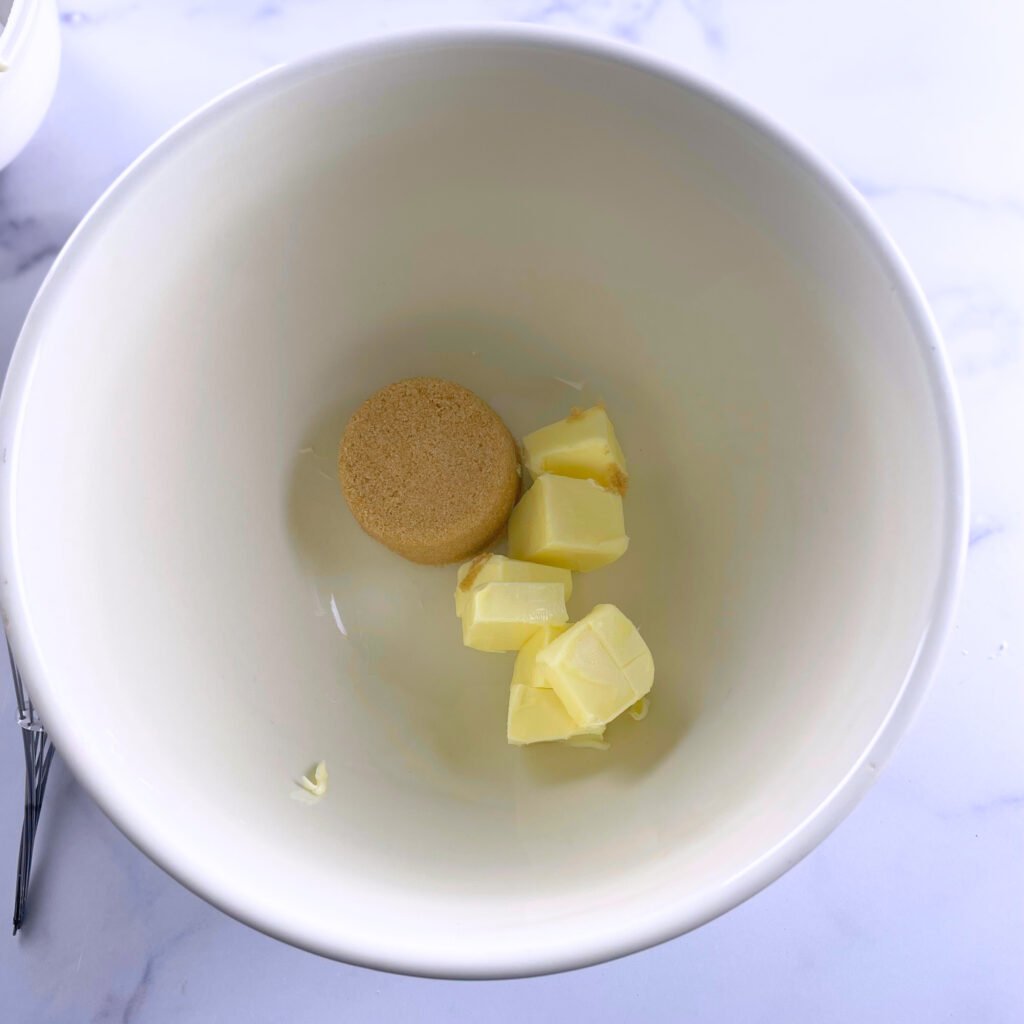
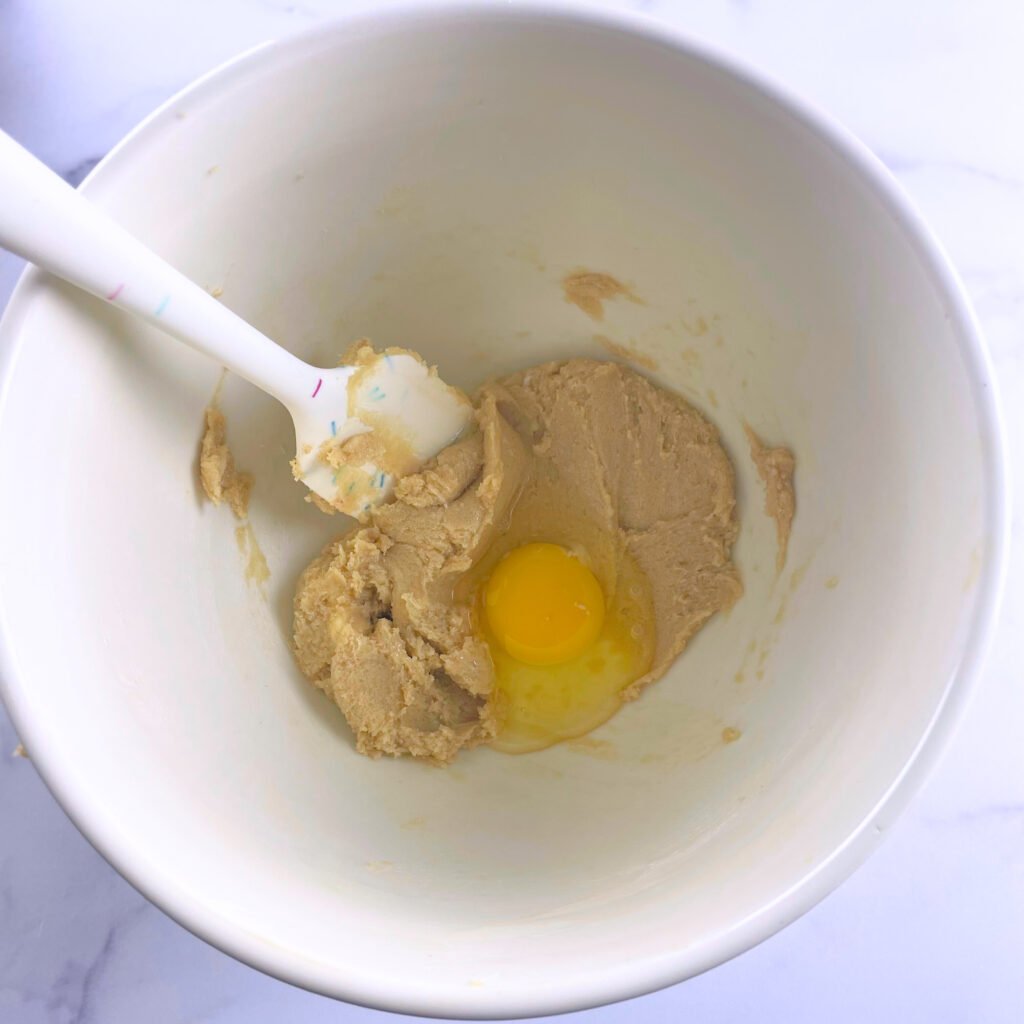
In a large mixing bowl, add the packed brown sugar, eggs, vanilla extract, vegetable oil, and melted butter. Whisk until the mixture becomes smooth and slightly glossy. The combination of oil and butter creates a tender crumb while maintaining richness.
Next, stir in the molasses and buttermilk. Molasses gives gingerbread its signature deep flavor and dark color, while buttermilk adds moisture and a subtle tang that balances the sweetness. Mixing these ingredients thoroughly ensures the batter remains smooth and cohesive.
Combining Wet and Dry Ingredients
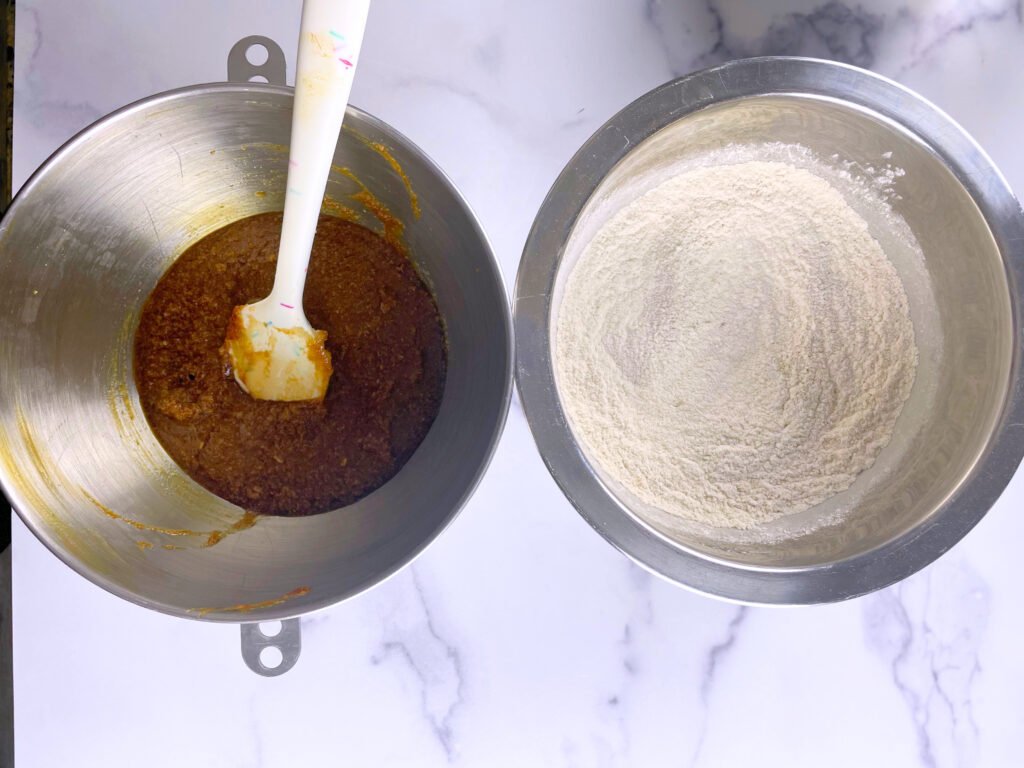
Gradually add the dry ingredients to the wet mixture. Use a spatula or whisk and mix gently until just combined. Avoid overmixing at this stage, as overworking the batter can lead to a dense loaf.
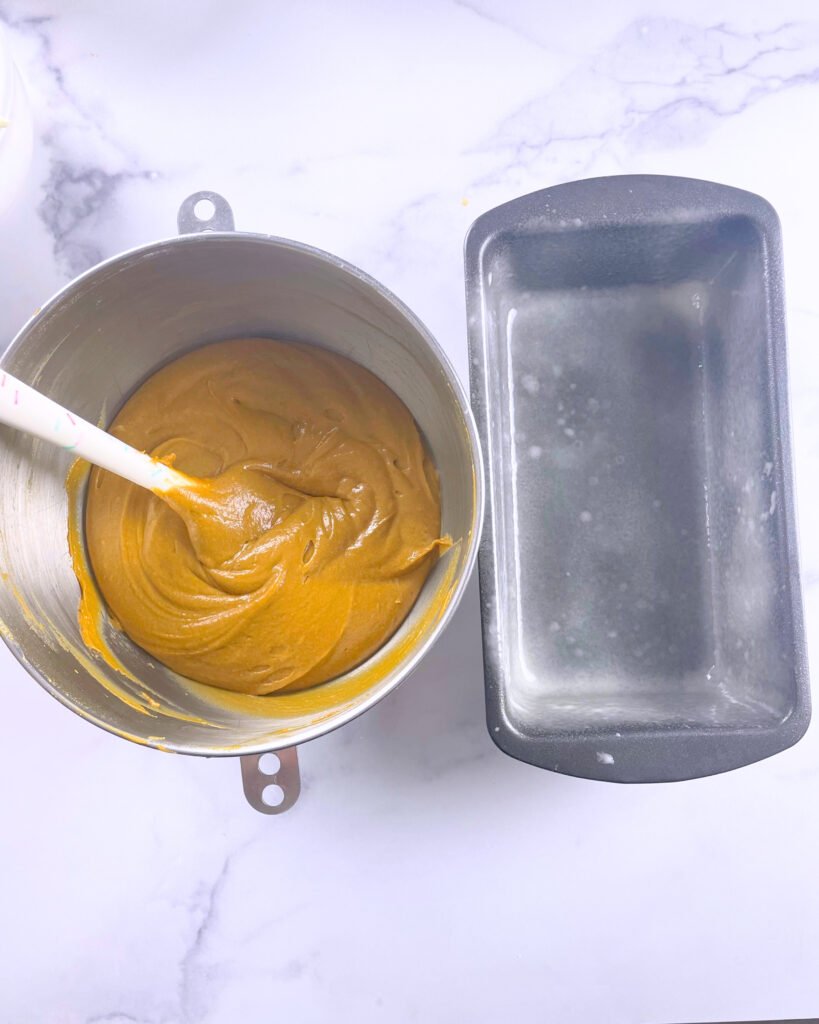
Once the flour mixture is incorporated, slowly pour in the hot water. This step helps bloom the spices and thin the batter to the correct consistency. Stir carefully until the batter is smooth and pourable. It’s normal for gingerbread batter to be thinner than traditional cake batters—this helps create a moist, tender crumb.
Baking the Gingerbread Loaf
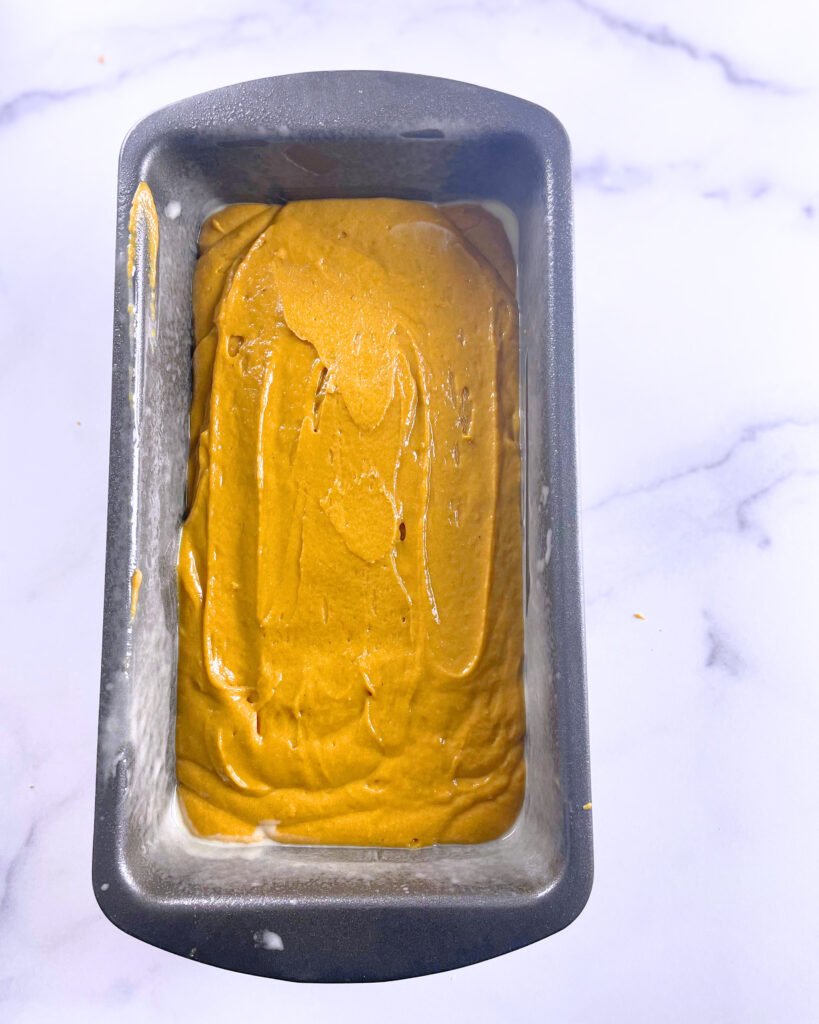
Pour the prepared batter into your lined loaf pan and gently tap the pan on the counter to release any air bubbles. Smooth the top with a spatula if needed.
Place the pan in the center rack of your preheated oven and bake for 50 to 55 minutes. The gingerbread loaf is done when a toothpick inserted into the center comes out clean or with just a few moist crumbs.
If the top begins to brown too quickly, loosely tent the loaf with foil during the last 10 minutes of baking. This prevents overbrowning while allowing the center to finish baking.
Cooling and Slicing for Best Results
Once baked, remove the gingerbread loaf from the oven and allow it to cool in the pan for about 10 minutes. This short resting time helps the loaf set, making it easier to remove without breaking.
Transfer the loaf to a wire rack and let it cool completely before slicing. Gingerbread continues to develop flavor as it cools, and slicing too early can cause it to crumble. For the best texture and clean slices, patience is key.
Substitutions, Tips, and Variations for Gingerbread Loaf
Ingredient Substitutions for Gingerbread Loaf
This gingerbread loaf is flexible and easy to adapt using simple pantry swaps while still maintaining its warm flavor and soft texture.
Molasses Substitutions
Molasses gives gingerbread its classic flavor and rich color, but dark corn syrup or maple syrup may be used in a pinch. Keep in mind that these substitutes create a lighter flavor profile and slightly sweeter loaf.
Dairy-Free Options
To make this gingerbread loaf dairy-free, replace the butter with plant-based butter or additional neutral oil. Dairy-free milk mixed with a small splash of vinegar can replace buttermilk if needed.
Egg Substitutions
For an egg-free version, use flax eggs by combining ground flaxseed with water and allowing the mixture to thicken before adding it to the batter. This helps preserve moisture while maintaining structure.
Tips for the Best Gingerbread Loaf
Do Not Overmix the Batter
Once the dry ingredients are added, mix gently until just combined. Overmixing can create a dense loaf instead of a soft, tender crumb. This gingerbread has a soft, rich texture that pairs perfectly with comforting recipes like my homemade biscuits.
Use Room Temperature Ingredients
Allow the eggs and buttermilk to come to room temperature before mixing. This helps create a smoother batter and more even baking.
Flavor Improves Overnight
One of the best qualities of gingerbread loaf is how the flavor deepens over time. The spices become more balanced and pronounced after resting for several hours or overnight.
Wrap the cooled loaf tightly or store it in an airtight container to maintain moisture and freshness.
Check for Doneness Carefully
Because gingerbread batter is naturally dark from the molasses and spices, it can be difficult to judge doneness by color alone. Insert a toothpick into the center to ensure the loaf is fully baked.
Variations for Gingerbread Loaf
Add Texture
Fold chopped pecans or walnuts into the batter for added crunch and richness.
Add Sweetness
Mini chocolate chips or white chocolate chips pair beautifully with the warm spices in gingerbread loaf.
Create a Glaze
A simple powdered sugar glaze drizzled over the cooled loaf adds sweetness and gives the gingerbread a bakery-style finish.
Make Individual Portions
This gingerbread loaf recipe can easily be baked as muffins or mini loaves. Simply reduce the baking time and check for doneness earlier.
Increase the Spice
If you enjoy a bolder gingerbread flavor, add extra ground ginger or a pinch of cardamom for additional warmth and depth.
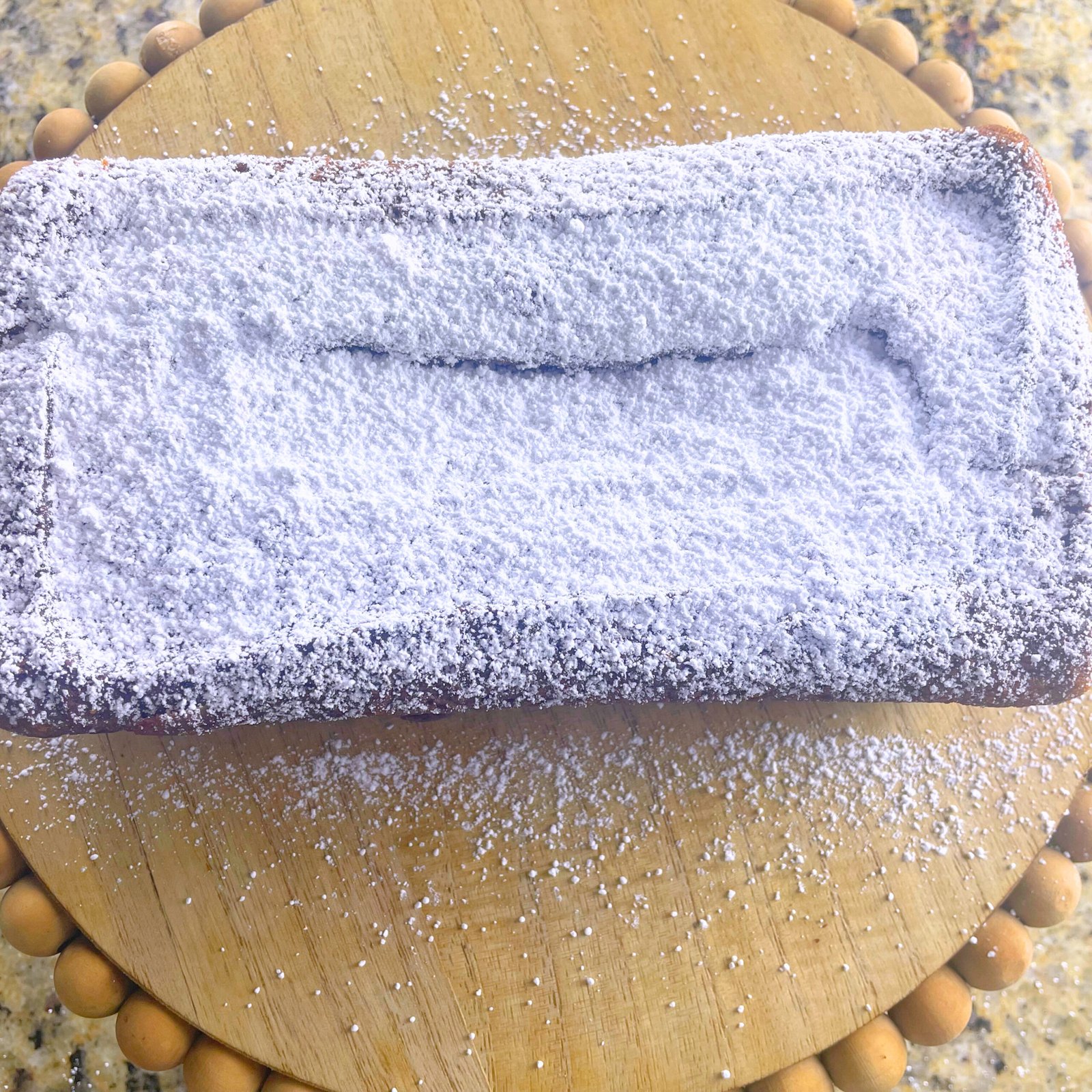
Moist Gingerbread Loaf with Warm Spices (Easy Homemade Recipe)
Ingredients
Equipment
Method
- Preheat your oven to 350°F (175°C). Line two 9×5-inch loaf pan with parchment paper or lightly grease it and set aside.
- In a medium bowl, whisk together the flour, baking soda, ginger, cinnamon, nutmeg, cloves, and salt until well combined. Set aside.
- In a large mixing bowl, add the brown sugar, eggs, vanilla extract, vegetable oil, and melted butter. Whisk until smooth and fully incorporated.
- Stir in the molasses and buttermilk, mixing until the batter is evenly blended.
- Gradually add the dry ingredients to the wet ingredients, mixing gently until just combined. Avoid overmixing to keep the loaf tender.
- Slowly pour in the hot water, stirring carefully until the batter becomes smooth and pourable. The batter will be thin—this is expected.
- Pour the batter into the prepared loaf pan and smooth the top.
- Bake for 50–55 minutes, or until a toothpick inserted into the center comes out clean or with a few moist crumbs.
- Allow the gingerbread loaf to cool in the pan for 10 minutes, then transfer to a wire rack to cool completely before slicing.
Notes
- Use room temperature ingredients: Bringing the eggs and milk to room temperature helps the batter mix evenly and creates a smoother, more consistent crumb in the gingerbread loaf.
- Measure molasses carefully: Molasses is thick and sticky, so lightly greasing your measuring cup helps it release easily and ensures accurate measurements.
- Do not overmix the batter: Once the dry ingredients are added, mix just until combined. Overmixing can result in a dense or tough loaf.
- Check doneness early: Ovens vary, so begin checking the loaf a few minutes before the recommended bake time. A toothpick inserted into the center should come out mostly clean with a few moist crumbs.
- Cooling matters: Allow the gingerbread loaf to cool in the pan for about 10 minutes before transferring it to a wire rack. This helps the loaf set properly and prevents cracking.
- Storage instructions: Store the loaf tightly wrapped at room temperature for up to 3 days, or refrigerate for up to 5 days. Gingerbread often develops deeper flavor after the first day.
- Serving suggestion: Serve slices plain, lightly warmed, or with a dusting of powdered sugar for a simple finish that highlights the spiced flavor.
Final Thoughts on Gingerbread Loaf
This gingerbread loaf delivers everything people love about classic holiday baking — warm spices, deep molasses flavor, and a soft, moist crumb that stays tender for days. It’s comforting, dependable, and simple enough to make throughout the season without complicated preparation.
One of the best things about this recipe is its versatility. It works beautifully as a breakfast loaf, afternoon snack, or holiday dessert. Whether served plain, dusted with powdered sugar, or drizzled with glaze, this gingerbread loaf feels cozy and bakery-style every time.
Because the flavors continue to develop after baking, it’s also an excellent make-ahead recipe for gatherings, gifting, or holiday meal prep. The balance of spice, sweetness, and moisture creates a loaf that feels nostalgic while still remaining timeless.
If you try this gingerbread loaf recipe, be sure to leave a comment and share your experience. Your feedback helps other bakers recreate this recipe successfully and supports the continued sharing of dependable homemade baking recipes.
🍰 You May Also Like
Hi, I’m Priscilla, a baking enthusiast and recipe creator sharing easy baking recipes, simple desserts, and beginner-friendly treats. At The Baking Enthusiast, I focus on creating reliable, step-by-step recipes using everyday ingredients to help you bake with confidence and enjoy the process.