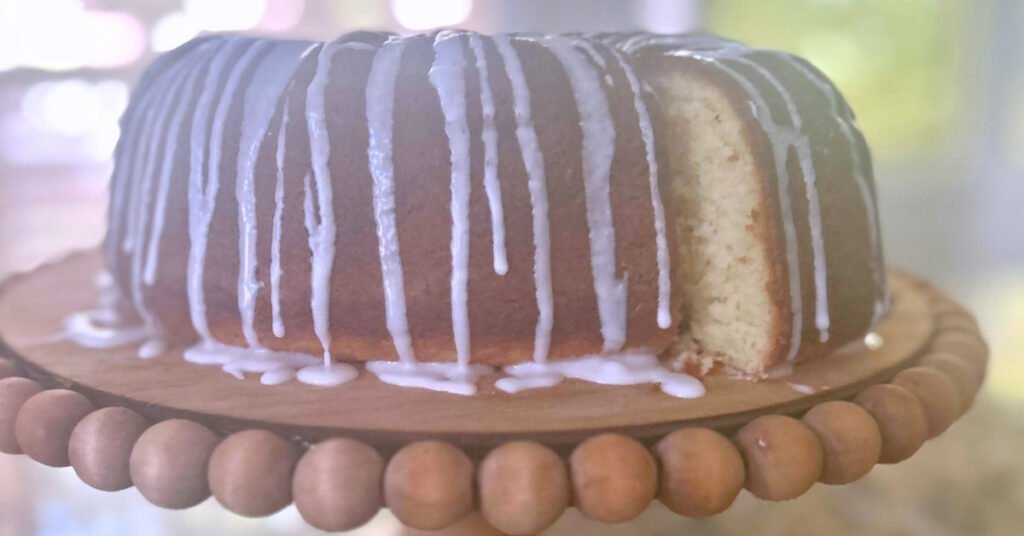
A classic vanilla bundt cake is one of those dependable desserts every baker should have in their recipe collection. With its soft crumb, rich vanilla flavor, and elegant shape, this cake works beautifully for birthdays, holidays, brunches, or simple everyday baking. It delivers bakery-style results using familiar pantry staples and straightforward techniques, making it approachable for both beginner and experienced bakers.
What makes this vanilla bundt cake especially appealing is its texture. The combination of butter and oil creates a cake that is rich yet incredibly moist, while the buttermilk helps produce a tender crumb that stays soft for days. Unlike overly dense bundt cakes, this version balances structure and softness perfectly, giving you clean slices without sacrificing moisture.
Another reason this cake remains so popular is its versatility. A simple vanilla glaze adds sweetness and elegance without overpowering the cake itself. Whether served plain, dressed up for special occasions, or paired with fresh fruit and whipped cream, this vanilla bundt cake adapts easily to different serving styles and celebrations.
Because bundt cakes rely heavily on proper mixing and pan preparation, attention to detail is important. Creaming the butter and sugar thoroughly creates a lighter texture, while properly greasing the pan helps ensure a clean release after baking. These simple techniques make a major difference in the final appearance and texture of the cake.
One of the best things about homemade vanilla bundt cake is its timeless flavor. Vanilla may seem simple, but when balanced correctly, it creates warmth, richness, and depth that never feels boring. This recipe focuses on enhancing that flavor while maintaining the classic softness and structure that make bundt cakes so reliable.
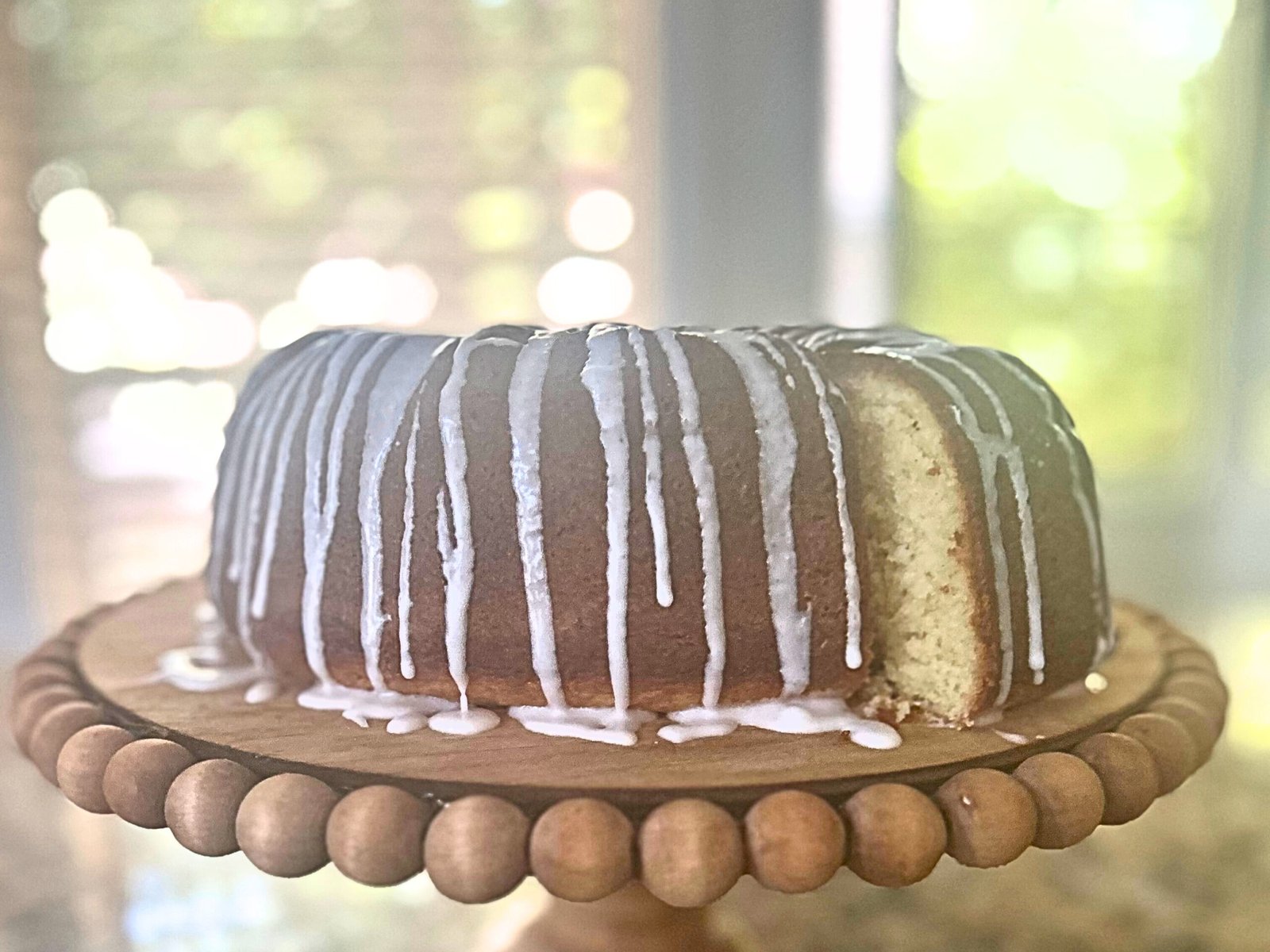
Unlike heavily frosted layer cakes, bundt cakes offer a more approachable presentation. The decorative pan naturally creates an elegant design, allowing the glaze to settle beautifully into the curves of the cake. This makes the dessert feel impressive without requiring advanced decorating skills. If you love classic desserts, you’ll also enjoy my coconut cupcakes and pecan tarts for more sweet baking inspiration.
Notes on Ingredients for Vanilla Bundt Cake
Understanding the role of each ingredient helps create a vanilla bundt cake with the perfect texture, flavor, and structure.
- Butter
- Unsalted butter adds richness and contributes to the cake’s soft crumb and classic flavor.
- Vegetable or Canola Oil
- Oil helps keep the cake moist for several days and prevents dryness.
- Granulated Sugar
- Sugar sweetens the cake while also helping create a tender texture during creaming.
- Eggs
- Eggs provide structure, stability, and richness while helping the cake bake evenly.
- All-Purpose Flour
- Flour forms the foundation of the cake and provides structure without making the crumb heavy.
- Baking Powder
- Baking powder helps the cake rise and creates a lighter texture.
- Baking Soda
- Baking soda works with the buttermilk to improve lift and tenderness.
- Salt
- Salt balances sweetness and enhances the vanilla flavor.
- Buttermilk or Sour Cream
- Both options add moisture and richness while contributing to a tender crumb.
- Vanilla Extract
- Vanilla is the primary flavor in this cake, giving it warmth and depth.
How to Make Vanilla Bundt Cake
Prepare the Bundt Pan
Begin by thoroughly greasing the bundt pan with butter or nonstick spray, making sure to coat every curve and detail. Lightly dusting the pan with flour helps prevent sticking and ensures the cake releases cleanly after baking.
Proper pan preparation is especially important for a successful vanilla bundt cake, since bundt pans contain decorative ridges that can trap cake batter if not coated well.
Cream the Butter, Oil, and Sugar
In a large mixing bowl, cream together the butter, oil, and granulated sugar until the mixture becomes light and fluffy. This step creates air pockets that help produce a soft, tender cake texture.
Because bundt cakes are naturally denser than sponge cakes, proper creaming helps keep the crumb balanced rather than heavy.
Add the Eggs and Vanilla
Add the eggs one at a time, mixing well after each addition. Stir in the vanilla extract until fully combined.
The eggs help stabilize the batter while contributing richness and structure to the finished vanilla bundt cake.
Combine the Dry Ingredients
In a separate bowl, whisk together the flour, baking powder, baking soda, and salt.
Mixing the dry ingredients separately helps evenly distribute the leavening agents and prevents uneven texture.
Alternate Wet and Dry Ingredients
Gradually add the dry ingredients into the wet mixture, alternating with the buttermilk or sour cream. Begin and end with the dry ingredients.
Mix gently until just combined. Overmixing can develop too much gluten, resulting in a tougher cake texture.
Bake the Cake
Pour the batter evenly into the prepared bundt pan and smooth the top.
Bake until a toothpick inserted into the center comes out clean or with a few moist crumbs attached. The cake should appear golden with slightly pulled edges.
Allow the vanilla bundt cake to cool in the pan briefly before carefully inverting onto a wire rack to cool completely.
Prepare the Vanilla Glaze
Whisk together the confectioner’s sugar, vanilla extract, salt, and milk until smooth and pourable.
Once the cake has cooled completely, drizzle the glaze evenly over the top, allowing it to flow naturally down the sides of the bundt cake.
Substitutions for Vanilla Bundt Cake
This vanilla bundt cake can easily be adapted using simple ingredient swaps.
Sour cream may be used instead of buttermilk for a slightly richer texture. Both options produce moist, tender results.
For a stronger vanilla flavor, pure vanilla bean paste can replace vanilla extract.
Whole milk yogurt can also work as an alternative to sour cream while maintaining moisture.
If desired, almond extract can be added in small amounts alongside the vanilla for additional flavor depth.
Tips for the Best Vanilla Bundt Cake
For the best vanilla bundt cake, make sure all refrigerated ingredients are at room temperature before mixing. This helps create a smoother batter and more even texture. This cake has a soft, buttery texture similar to my coconut cupcakes, making it perfect for celebrations or everyday desserts.
Avoid overmixing once the flour is added. Gentle mixing helps preserve a soft crumb and prevents toughness.
Properly greasing the bundt pan is essential. Pay extra attention to detailed areas of the pan to prevent sticking.
Allow the cake to cool slightly before removing it from the pan. Removing it too early can cause breakage, while waiting too long may allow sticking.
Using both butter and oil gives this cake the perfect balance of flavor and long-lasting moisture.
Variations for Vanilla Bundt Cake
This vanilla bundt cake serves as an excellent base for many flavor variations.
Fresh berries can be folded into the batter for a fruity twist.
Lemon or orange zest can brighten the flavor while complementing the vanilla.
For a chocolate variation, mini chocolate chips may be added directly to the batter.
The vanilla glaze can also be replaced with chocolate glaze, citrus glaze, or cream cheese glaze depending on the occasion.
Because of its elegant structure, this cake works beautifully for seasonal decorating and celebrations.
Ingredients
Equipment
Method
- Preheat and Prepare the Pan:Preheat your oven to 350°F (175°C). Grease and lightly flour a 10–12 cup bundt pan, or use non-stick baking spray. Set aside.
- Cream the Butter and Sugar:In a large mixing bowl, beat the butter and sugar together until light and fluffy (about 3–4 minutes). This creates the soft, velvety texture of the cake.
- Add the Oil, Eggs and Vanilla:Beat in the eggs one at a time, mixing well after each addition. Add vanilla extract and oil. Mix until fully incorporated.
- Combine the Dry Ingredients:In a separate bowl, sift together the flour, baking powder, baking soda, and salt.
- Alternate Wet and Dry Ingredients:Gradually add the dry ingredients to the butter mixture in three additions, alternating with the buttermilk or sour cream. Begin and end with the flour mixture. Mix gently until smooth — do not overmix.
- Alternate Wet and Dry Ingredients:Gradually add the dry ingredients to the butter mixture in three additions, alternating with the buttermilk or sour cream. Begin and end with the flour mixture. Mix gently until smooth — do not overmix.
- Cool Completely:Let the cake cool in the pan for 10–15 minutes, then carefully invert it onto a wire rack to cool completely before glazing.
- Make the Vanilla Glaze:In a small bowl, whisk together the confectioners’ sugar, vanilla, salt, and milk until smooth. Adjust consistency as needed. Drizzle the glaze over the cooled cake.
Notes
🍰 Baking Tips:
- For best results, bring butter and eggs to room temperature before mixing. This helps create a smooth, velvety crumb.
- Grease the bundt pan thoroughly, making sure to coat all grooves to ensure the cake releases cleanly after baking.
- Allow the cake to cool in the pan for 10–15 minutes before inverting to prevent sticking or breakage.
- A light dusting of powdered sugar adds an elegant finish without overpowering the vanilla flavor.
How to Store Vanilla Bundt Cake
Store the vanilla bundt cake covered at room temperature for up to 3 days.
For longer storage, refrigerate the cake in an airtight container for up to 5 days. Allow slices to come to room temperature before serving for the best flavor and texture.
This cake also freezes well. Wrap individual slices or the entire cake tightly in plastic wrap and freeze for up to 2 months. Thaw overnight in the refrigerator before serving.
To maintain the best texture, wait to glaze the cake until after thawing if freezing the entire cake.
Final Thoughts
This vanilla bundt cake is proof that simple flavors can still create an elegant and dependable dessert. Its soft crumb, rich vanilla flavor, and smooth glaze make it versatile enough for both casual baking and special occasions.
One of the best things about this recipe is its reliability. The batter comes together easily, bakes evenly, and produces consistent results without complicated techniques or specialty ingredients. Whether you’re serving it for brunch, celebrations, or everyday dessert, this cake delivers classic flavor and bakery-style texture every time.
Because the recipe focuses on moisture and balance, the cake stays soft for days while maintaining its beautiful structure. The vanilla glaze adds just enough sweetness without overpowering the delicate flavor of the cake itself.
If you try this vanilla bundt cake, be sure to leave a comment and share your experience. Your feedback helps other bakers recreate this recipe successfully and supports the continued sharing of dependable homemade desserts.
Happy baking! 🍰✨
🍰 You May Also Like
- Coconut Cupcakes
- Pecan Tarts
- Gingerbread
Hi, I’m Priscilla, a baking enthusiast and recipe creator sharing easy baking recipes, simple desserts, and beginner-friendly treats. At The Baking Enthusiast, I focus on creating reliable, step-by-step recipes using everyday ingredients to help you bake with confidence and enjoy the process.